Roses: beautiful, fragrant flowers for the garden
Roses: beauty, fragrance and variety
Roses are among the best-loved garden flowers. Some varieties have a rich perfume, others have little scent, and rose bushes come in many shapes and sizes. Understanding their origins and needs can help us enjoy them for longer.

Where roses come from
The genus Rosa includes numerous wild species found across temperate regions of the northern hemisphere, particularly in Asia, Europe, North America and northern Africa. The number of recognised species is not fixed, as botanical classification continues to evolve.
Over centuries, growers have developed thousands of cultivars through selection and hybridisation. Important ancestors of garden roses include species and groups related to Rosa gallica, Rosa chinensis, Rosa moschata and Rosa rugosa. Rosa × damascena, for example, is a historic hybrid group, not simply an unmodified wild species.
A little history
Roses have been cultivated since antiquity and appear in artworks from the eastern Mediterranean. Their beauty and scent were valued by many societies, including ancient Greeks and Romans. It is better to acknowledge this long tradition than to attach unsupported exact dates to the gardens of Babylon or claim to know the very first depiction of a rose.
Later, the selection of European and Asian roses brought new colours and flowering habits. The introduction of the cultivar ‘La France’ in 1867 is often used as a historical dividing line between old garden roses and modern roses.


Types of roses
Roses range from miniature plants to large shrubs, climbers, ground-cover forms and varieties grown for cut flowers. Garden classifications are useful, although commercial categories sometimes overlap.
Wild roses
These are naturally occurring species and populations rather than garden cultivars.
Old garden roses
Traditional classes developed before the modern hybrid teas; some bloom only once while others repeat.
Modern roses
These include hybrid teas, floribundas and many classes developed from the late nineteenth century onwards.
Other garden types
Terms such as “patio”, “ground-cover” and “climbing” often describe a rose’s size or growth habit rather than its historical class.
Pruning should suit the rose: a once-flowering rambler needs different treatment from a repeat-flowering hybrid tea.
How to propagate roses
Roses can be propagated by cuttings, layering, grafting or seed. The best season depends on the technique and local climate; autumn is not the only suitable time.
Cuttings generally retain the parent’s cultivar characteristics, whereas seedlings may differ and many rose seeds need cold stratification to germinate. Grafting combines an ornamental variety with a suitable rootstock. Respect plant breeders’ rights where they apply.

Common pests and diseases
Roses may be affected by aphids, spider mites, thrips and scale insects, as well as black spot, powdery mildew and rust. Ants on a rose are not necessarily pests; they may be attracted by honeydew produced by aphids.
To reduce problems, choose varieties suited to your climate, avoid waterlogged soil, allow good airflow and inspect leaves and shoots regularly. Identify the cause before applying any treatment: not every insect in the garden is harmful.
What roses symbolise
Roses have long been associated with love, beauty and affection. Their meanings vary by culture, period and occasion, so there is no universal colour code.
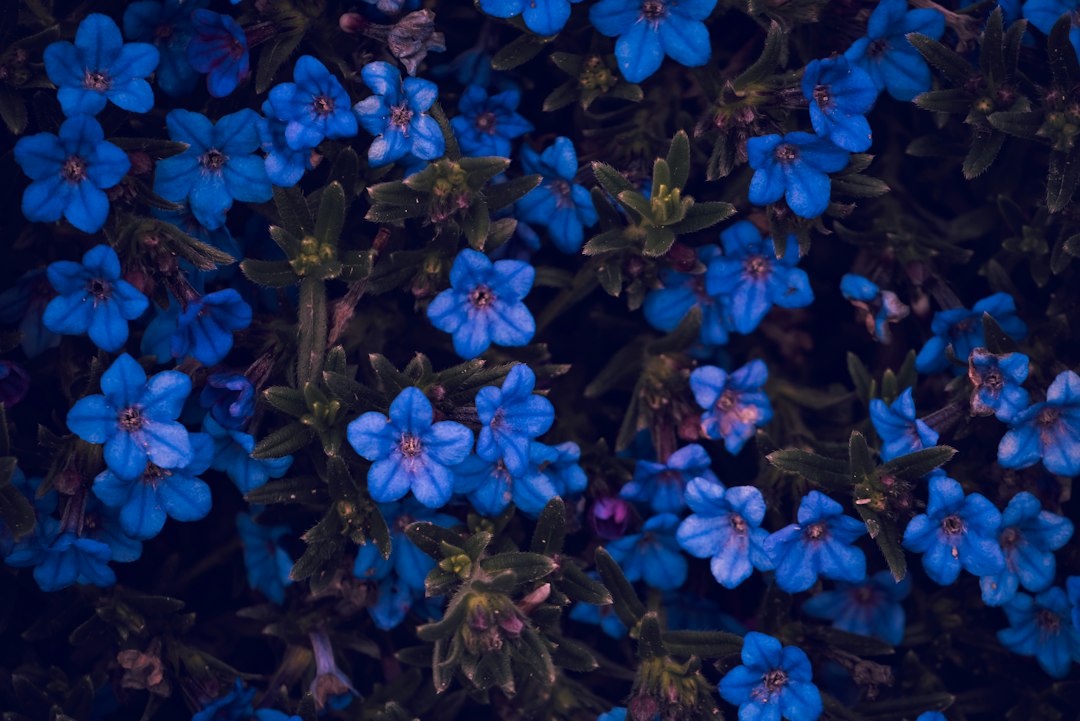
In many bouquets, red suggests romance, pink affection or gratitude, white respect or purity, yellow friendship and joy, and orange enthusiasm. Roses sold as vivid blue are usually dyed or specially developed; deep blue is not a normal colour of wild roses.
Ultimately, the message behind a bouquet matters more than a rigid list of colour meanings.
Would you like to identify organisms that may damage your roses? Our integrated pest-management series offers practical guidance:
Types of garden pests:
Scale insects, aphids, whiteflies, thrips and spider mites
Caterpillars, cutworms, soil larvae, leafminers and leafhoppers
Snails, ants, grasshoppers, rose chafers and true bugs
Nematodes, mole crickets, moles, rats and rabbits
Remember that seeing an insect does not automatically mean it needs to be eliminated.

With suitable light, climate-appropriate watering and careful pruning, roses can reward us for many years. Which is your favourite? Tell us what you grow and share your gardening experience.
Editorial review informed by the Royal Horticultural Society’s rose-growing and pruning guides and horticultural history references.

Share this content: