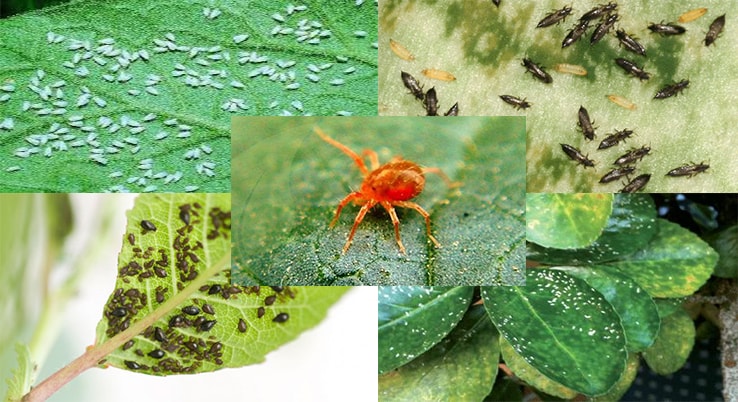
Types of pests: Cochineals, aphids, whitefly, trips and red spider
A struggling plant does not necessarily have a pest: underwatering, waterlogging and disease can cause similar symptoms. Before treating anything, inspect the leaves, stems and roots, identify the organism and assess the damage. This first article covers five common pests and practical integrated pest management measures, starting with physical control and natural enemies.
Five common garden pests
We begin with scale insects and mealybugs, aphids, whiteflies, thrips and spider mites. Not every sighting calls for spraying: healthy plants often tolerate small populations, especially when beneficial insects are present.
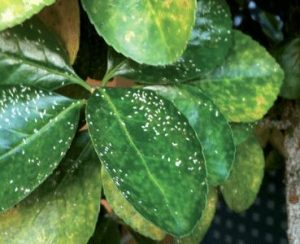
1. Scale insects and mealybugs
Scale insects feed on plant fluids. Some develop hard protective covers, while others have a soft, waxy or cottony coating. Heavy infestations can cause yellowing, poor growth and leaf drop. Not all scale insects produce honeydew: soft scales and mealybugs commonly do, whereas armoured scales generally do not.
How to recognise an infestation
Look for small bumps attached to stems and leaf veins, cottony white clusters and young insects beneath leaves. Honeydew leaves a sticky coating that supports sooty mould, a superficial fungus that reduces the light reaching the foliage. Ants may gather to feed on the sugary secretion. Yellow leaves alone are not proof of scale: find the pest before deciding on treatment.
Managing scale insects
For a small infestation, wipe insects off with a damp cloth or cotton swab; prune heavily affected growth if appropriate. On some houseplants, a small, targeted application of isopropyl alcohol may help, but test an inconspicuous area first and avoid sensitive plants. For persistent infestations, choose a horticultural oil or insecticidal soap registered for the plant and pest and follow its label; mobile young stages are often easier to control. Do not recommend household dish detergent, methylated spirits or untested home mixtures as universally safe sprays.
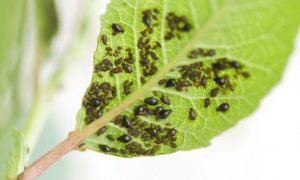
2. Aphids
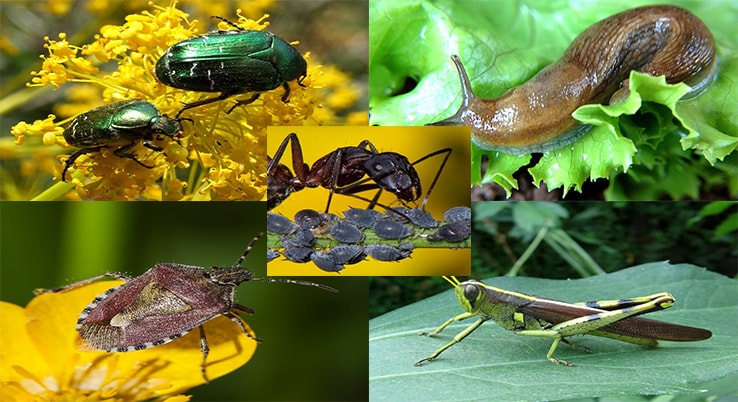
Aphids are small insects of many colours that cluster on tender shoots and leaf undersides. Their feeding may distort growth and produce honeydew, which attracts ants and supports sooty mould. Some aphid species also spread plant viruses; that does not mean every aphid or affected plant carries a virus.
What to look for
Check new shoots, flower buds and curled leaves for colonies, pale cast skins and sticky droplets. Ants sometimes defend aphids against predators in return for honeydew. Remember that old leaf distortion may remain after the insects have gone, so confirm whether the infestation is still active.
Controlling aphids
Start with a moderate stream of water on sturdy plants or remove severely infested shoot tips. Protect ladybirds, lacewings and hoverflies, and avoid excessive nitrogen fertiliser. If treatment is needed, use a labelled insecticidal soap or horticultural oil, covering the insects directly and observing temperature and plant-sensitivity warnings. Nettle infusions are a traditional garden remedy, but their effectiveness and safety are not standardised; they are not a guaranteed substitute for tested methods. Avoid tobacco infusions, concentrated alcohol and one-size-fits-all dish-soap recipes.
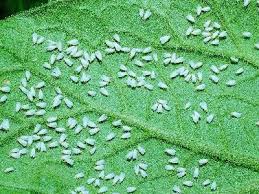
3. Whiteflies
Whiteflies are tiny, winged insects related to aphids. Adults flutter up when an infested plant is disturbed, while immature stages remain mainly on leaf undersides. They can affect many ornamentals and vegetables, although the host range and severity depend on the whitefly species and growing conditions.
Symptoms and diagnosis
Heavy feeding can cause yellowing, weakened growth and leaf drop. Some whiteflies produce honeydew that supports sooty mould, and certain species transmit viruses in susceptible crops. Check for eggs, nymphs and adults before choosing a treatment. Yellow sticky traps mainly help monitor or catch adults; they do not eliminate all life stages.
Managing whiteflies
Temporarily separate infested potted plants, remove badly affected leaves and improve ventilation. Use sticky traps to monitor activity. When justified, apply an insecticidal soap or horticultural oil approved for the plant, targeting leaf undersides and repeating only as directed on the label. Specific natural enemies can help in greenhouses. Avoid rotenone because of its risks, and remember that plant-derived pyrethrins can still harm pollinators and beneficial insects. Companion herbs do not provide guaranteed protection.
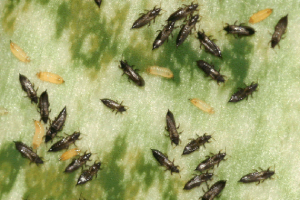
4. Thrips
Thrips are minute, slender insects that damage the surface of leaves, flowers and fruit while feeding on plant cells. Some species can transmit plant viruses. Ornamental flowers may develop scarred petals and distorted buds, although not every thrips species found in a garden is harmful.
How to spot thrips
Look for silvery or bronze patches, tiny black specks of droppings and scarring on petals. Gently tap a flower over white paper to look for adults or larvae, and inspect tightly folded buds. Sticky traps are useful for monitoring, but accurate diagnosis also requires observing the insects or their characteristic damage.
Thrips management
Remove badly affected flowers, avoid moving infested plants among healthy ones and water appropriately without leaving roots waterlogged. In greenhouses, certain predatory mites and other natural enemies can provide control. If a pesticide is necessary, select one registered for thrips on the crop and consider its effects on pollinators and predators. Pyrethrins are neither harmless nor universally effective, and higher humidity alone will not clear an infestation.
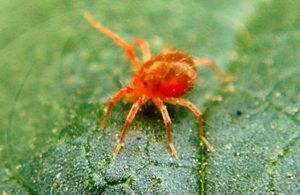
5. Spider mites: mites, not insects
The common name ‘red spider mite’ often refers to plant-feeding mites such as Tetranychus urticae. Despite the name, they may be yellow-green with dark spots for much of the year. These tiny relatives of spiders live mainly beneath leaves and can reproduce quickly in hot, dry conditions.
Signs and favourable conditions
Early damage appears as very fine pale dots on the foliage, later producing a mottled or bronzed appearance. Heavy infestations can cause fine webbing and leaf drop. Inspect leaf undersides with a magnifier for eggs and moving mites. Reducing dust and avoiding drought stress may help, but misting alone will not reliably control spider mites, and some plants dislike persistently wet foliage.
Controlling spider mites
Separate heavily affected plants, remove foliage beyond recovery and gently rinse leaf undersides where the plant tolerates it. Protect predatory mites and consider species-specific biological control in suitable growing environments. If necessary, use a product labelled for mites and the plant, following all instructions and avoiding sprays in strong sun or on stressed foliage. Nettle, fern, wormwood and horsetail infusions and onion skins are traditional gardening practices, but reliable efficacy and safe concentrations have not been established; some mixtures may scorch leaves. Continue checking the plant after treatment.
That concludes the first five pests in our series. Correct identification and proportionate control protect plants and beneficial wildlife alike. Have you dealt with any of these pests? Share what worked in your garden.

Original reference: www.infojardin.com. Technical review informed by integrated pest management guidance from the University of California (UC IPM) and the Royal Horticultural Society (RHS).
Related article: The ferns, characteristics and how to grow them
Share this content: