Calendula: its characteristics, care and medicinal properties
The scientific name for Calendula is Calendula officinalis and it belongs to the Compositae family. It is commonly known as pot marigold; regional Spanish names include maravilla and mercadela. It should not be confused with marigolds of the genus Tagetes.
It is associated with the Mediterranean region, although its exact wild origin is uncertain after centuries of cultivation.

Characteristics
It is an annual and erect plant that measures between 50 and 70 cm. Its leaves are simple, alternate and somewhat thick.

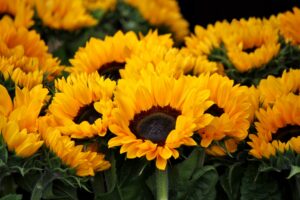
Its showy flower heads range from pale yellow to deep orange. Its flower heads generally open in daylight and close as light decreases; they do not track the sun in the way described. Calendula flowers are used both as an ornament and for the preparation of medicines, for their many medicinal properties. Its aroma is not very pleasant.
Care
Seeds can be sown directly outdoors or started in trays according to the local climate; transplant seedlings once established. Many people plant them around their gardens or crops, to encourage garden biodiversity, but calendula alone has not been shown to repel every pest.
The calendula needs to be exposed to the sun, although it also adapts to being in semi-shade. The soil must be fertile, fertilized and well drained, and if you can mix it with sand, the better. It should be watered regularly, mainly in summer. To enhance their bloom, you should trim the flowers once they wilt.

Medicinal properties
Calendula flowers have a history of traditional use in preparations for minor skin inflammation and small wounds. The European Medicines Agency recognizes these traditional uses, but clinical evidence is insufficient to claim they cure ulcers, severe burns or other diseases.

Many creams and ointments are now produced from its flowers, both in the pharmaceutical and cosmetic industries. Its leaves were used in ancient times in poultices and compresses for gout and other painful inflammations, these remedies are still applied in some rural areas.
Calendula flower preparations have traditionally been used for mild mouth and throat inflammation, but they do not replace treatment for gingivitis, infectious tonsillitis, pharyngitis or stomach ulcers. Do not rely on homemade infusions to treat infections without medical guidance.
Although calendula has traditional uses, clinical evidence is insufficient to recommend its infusion for menstrual regulation or uterine pain. Avoid self-medication, particularly during pregnancy.
Calendula oil is not a substitute for proven antifungal treatment of vaginal infections. Do not apply it to intimate areas without consulting a qualified healthcare professional.
Contraindications
As a precaution, avoid medicinal calendula preparations during pregnancy and breastfeeding unless a clinician advises otherwise. Do not use them if you are allergic to the daisy family; seek advice before applying them to extensive or infected wounds.
Despite all these properties of the plant, you should always consult a specialist first before doing any treatment.

So far our article today, if it has been useful and you have learned something new, share it on your social networks and leave us your comments here.

The images used were taken from:
pau.artigas via Wunderstock (license)
sybarite48 via Wunderstock (license)
clisenberg via Wunderstock (license)
M. Martin Vicente via Wunderstock (license)
chemazgz via Wunderstock (license)
jl.cernadas via Wunderstock (license)
Related article: Arnica: characteristics, cultivation and its medicinal properties
Share this content: