The Most Extraordinary Amazon Flowers: Hidden Wonders of the Rainforest
Hello friends, every location has specific characteristics that either favor or hinder plant growth, but the place we are going to discover today is special. The Amazon is much more than a vast sea of green trees. Along its rivers, flooded forests, and humid corners grow flowers with remarkable shapes, vivid colors, and fascinating pollination strategies. Some resemble natural sculptures, while others remain hidden among the leaves until their petals open.
In this region, beauty is not always easy to spot. You may need to look at the rainforest floor, climbing vines, or plants floating on the water to discover it.
Join us as we explore some of the most extraordinary flowers associated with the Amazon and the botanical stories that make them so remarkable.
1. Victoria amazonica: the queen of giant water lilies
Credit: Michael Steinman / Unsplash
Scientific name: Victoria amazonica
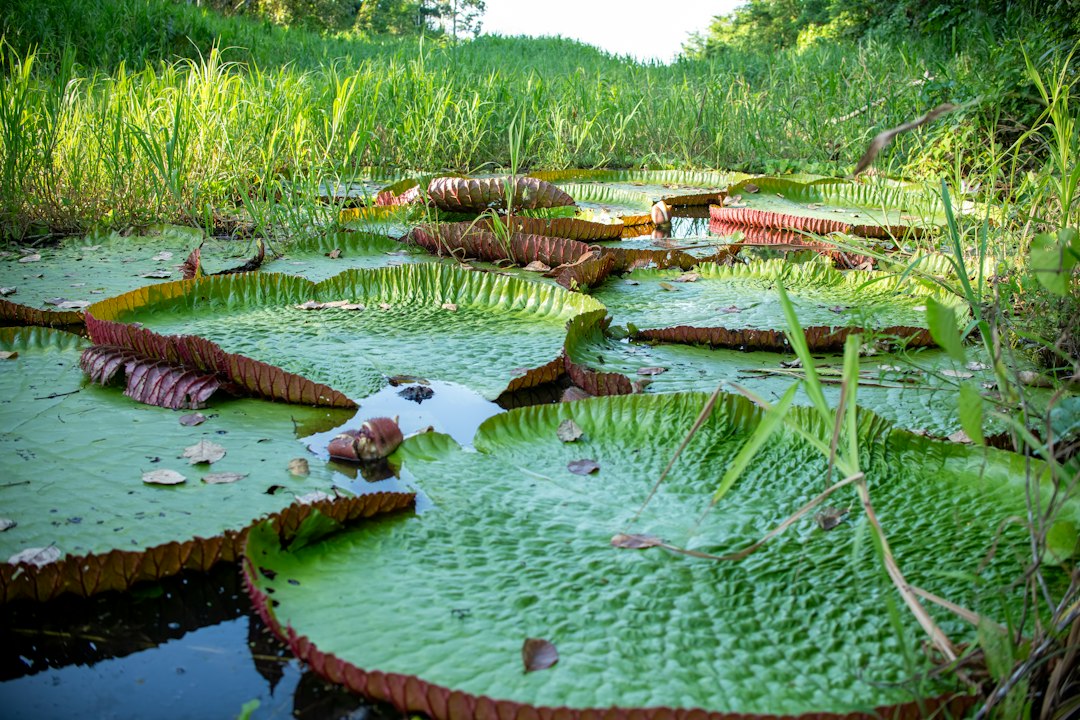
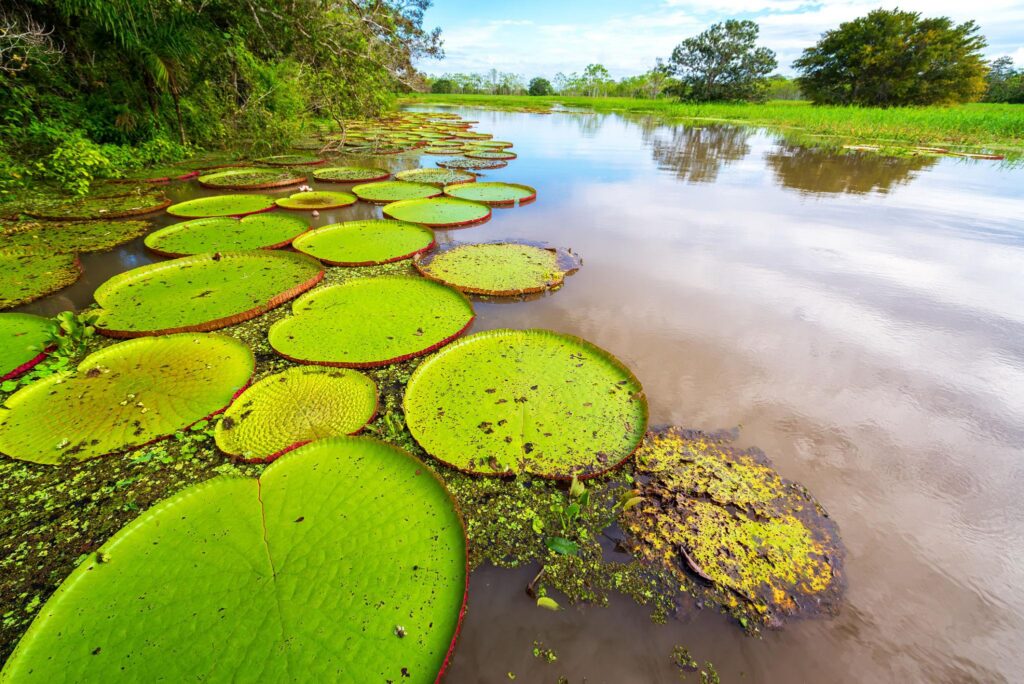
Few aquatic plants inspire as much wonder as Victoria amazonica. Its enormous circular leaves float on the water’s surface, with raised edges that give them an almost sculptural appearance. The undersides also feature spiny structures.
Its flowers typically open at night and may change color during their blooming cycle. The species is native to tropical South America and is closely associated with aquatic habitats in the Amazon Basin. Its enormous floating leaves and short-lived flowers turn each bloom into a natural spectacle.
2. The red passionflower: a flower that looks like a work of art
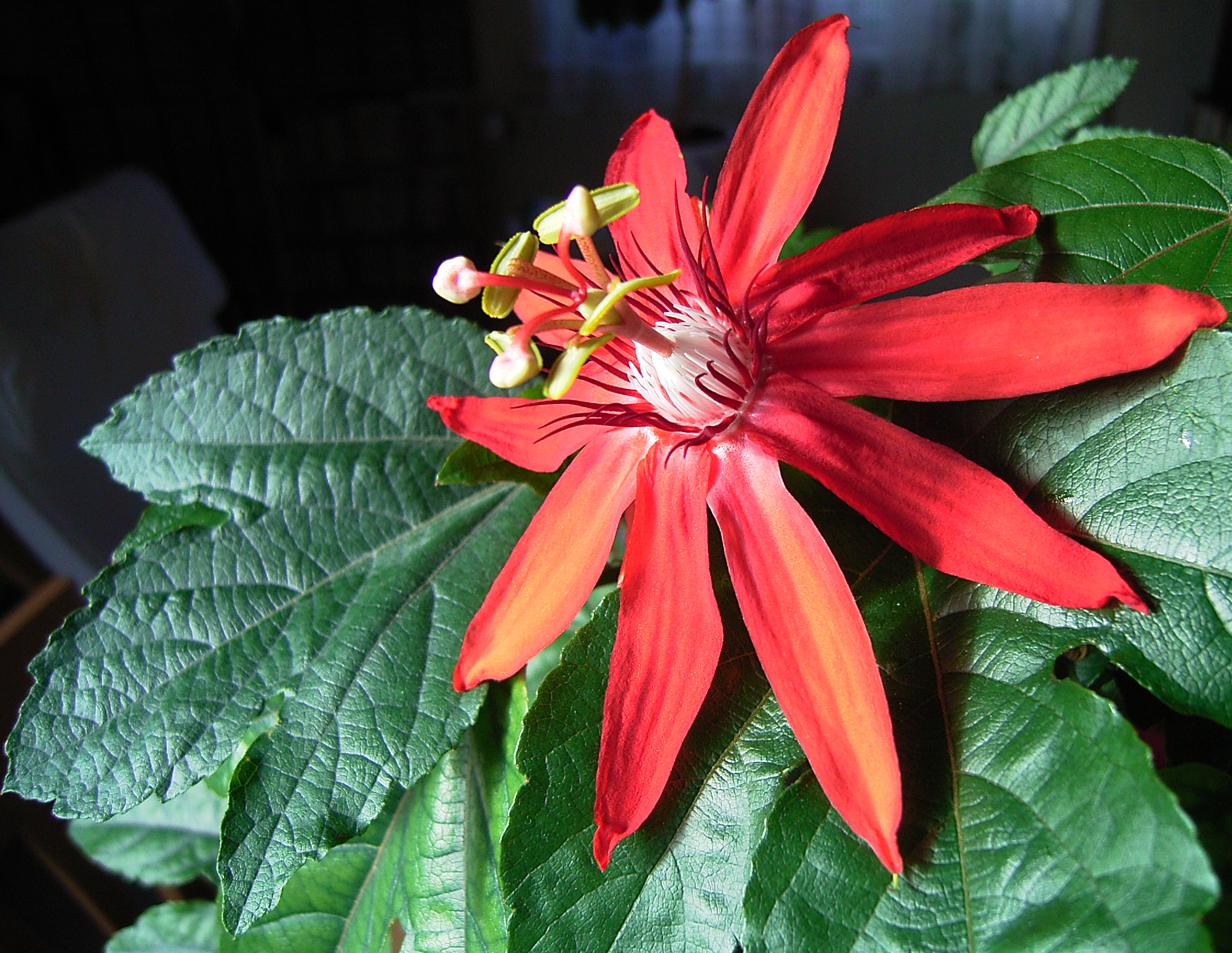
Scientific name: Passiflora vitifolia
The red passionflower is a tropical climbing vine known for its intensely red blossoms. Its petals and sepals surround a distinctive crown of filaments, creating a flower with remarkable depth and detail.
Like other members of the genus Passiflora, it climbs with tendrils and uses surrounding vegetation for support. Its native range includes several countries in Central and South America, including Panama, Colombia, Ecuador, Peru, and Brazil. Its elaborate floral structure plays a role in interactions with visiting animals and the transfer of pollen.
3. Heliconias: colors that resemble tropical birds
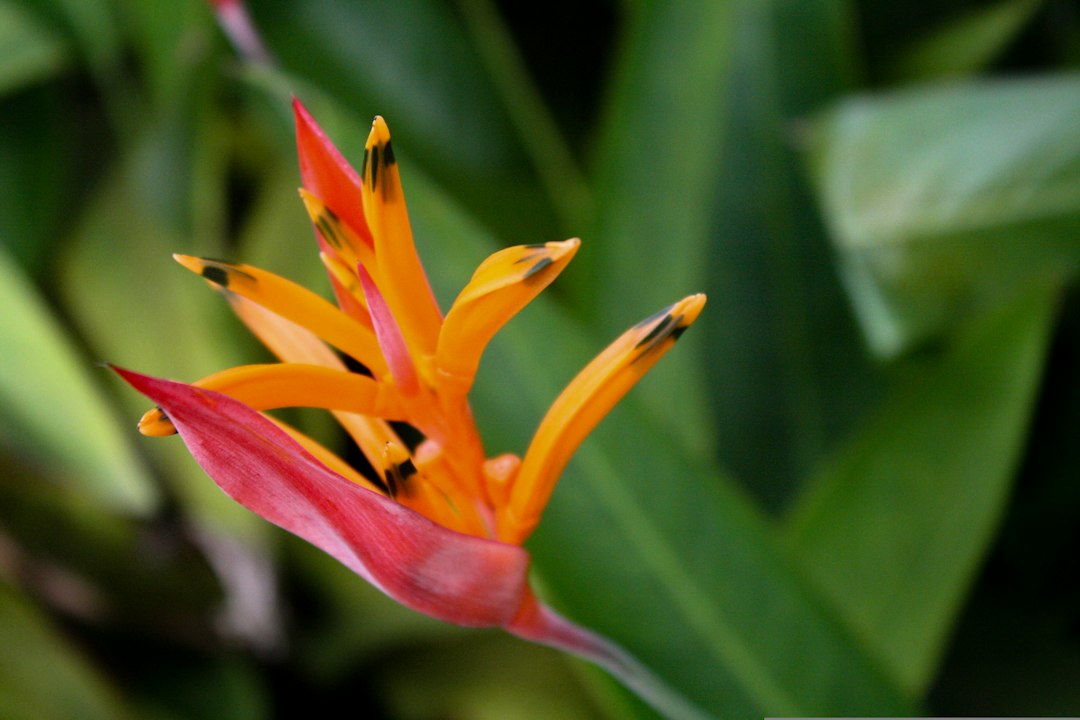
Genus: Heliconia
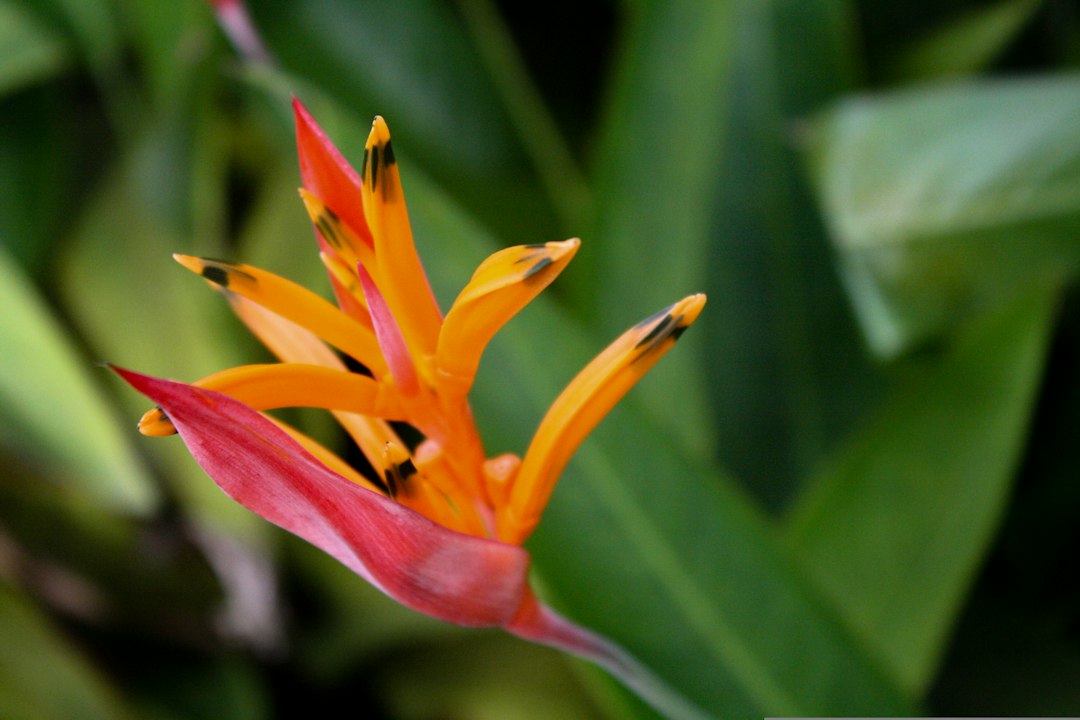
Heliconias are tropical plants famous for their brightly colored inflorescences, which may feature red, orange, yellow, or combinations of these shades. What many people mistake for petals are actually bracts—modified leaves that surround and protect the true flowers.
Many species grow in humid environments across tropical America. Their flowers provide nectar for animals, and hummingbirds are important pollinators for numerous American species. Heliconias are not exclusive to the Amazon, and not every species grows in the same type of forest.
4. Amazonian orchids: tiny wonders among the trees
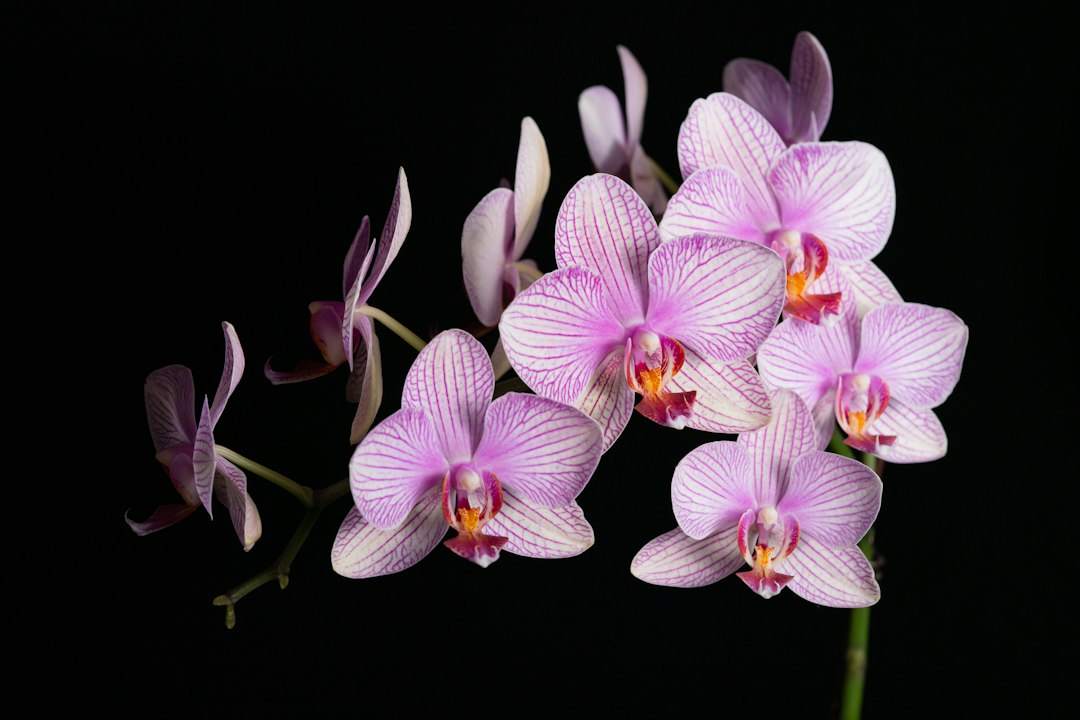
Family: Orchidaceae
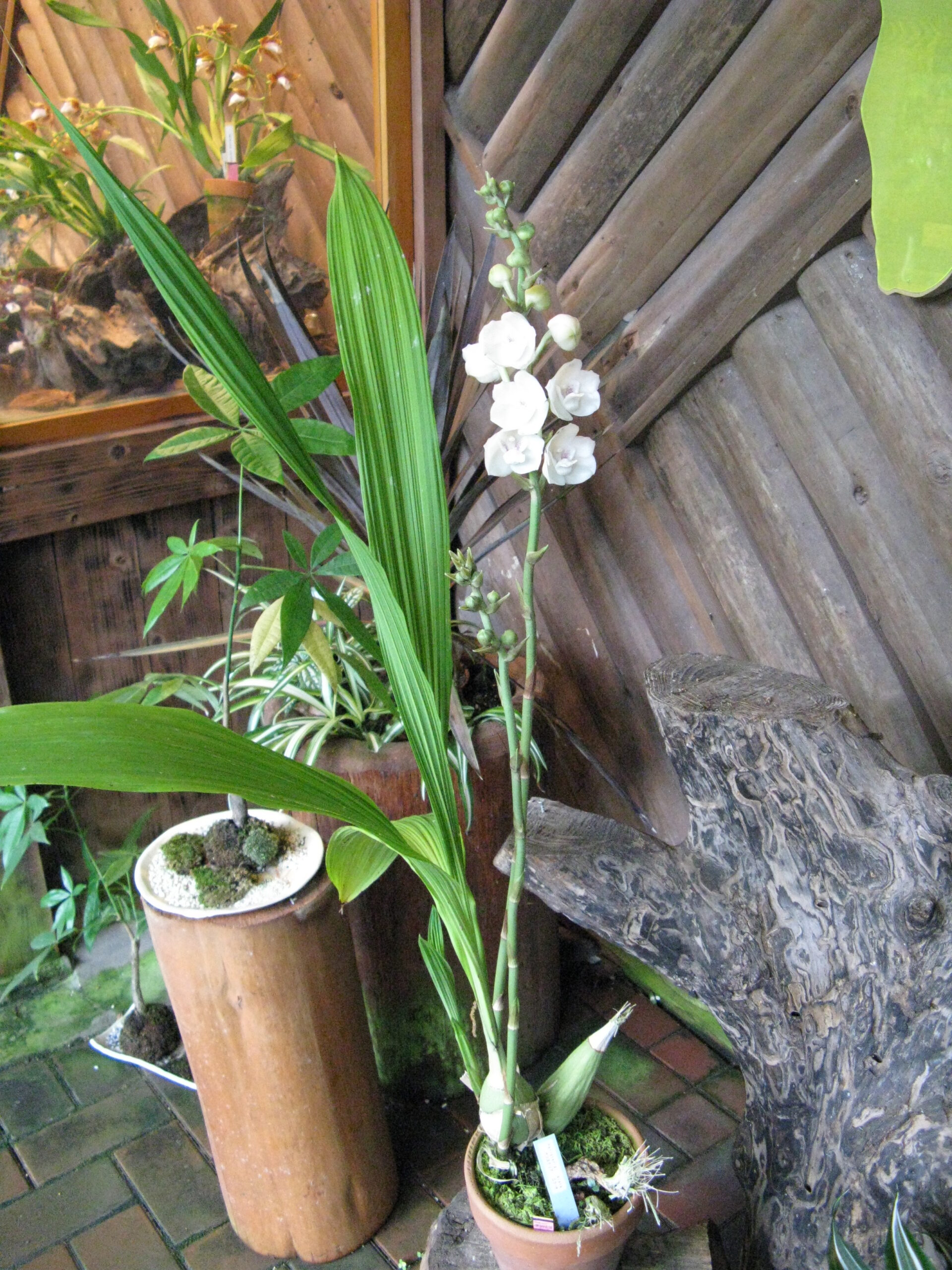
The word “orchid” describes a huge diversity of plants, not a single species. In humid Amazonian forests, orchids may grow on the ground or live as epiphytes, using tree trunks and branches for support without parasitizing their hosts.
Their flowers range from delicate and understated to intricate displays of contrasting colors, unusual shapes, and specialized fragrances. Some species rely on particular pollinators, meaning that habitat loss can also disrupt the ecological relationships they need to reproduce. Correct identification requires checking the scientific name and natural distribution.
5. Palicourea tomentosa: a splash of color in the forest
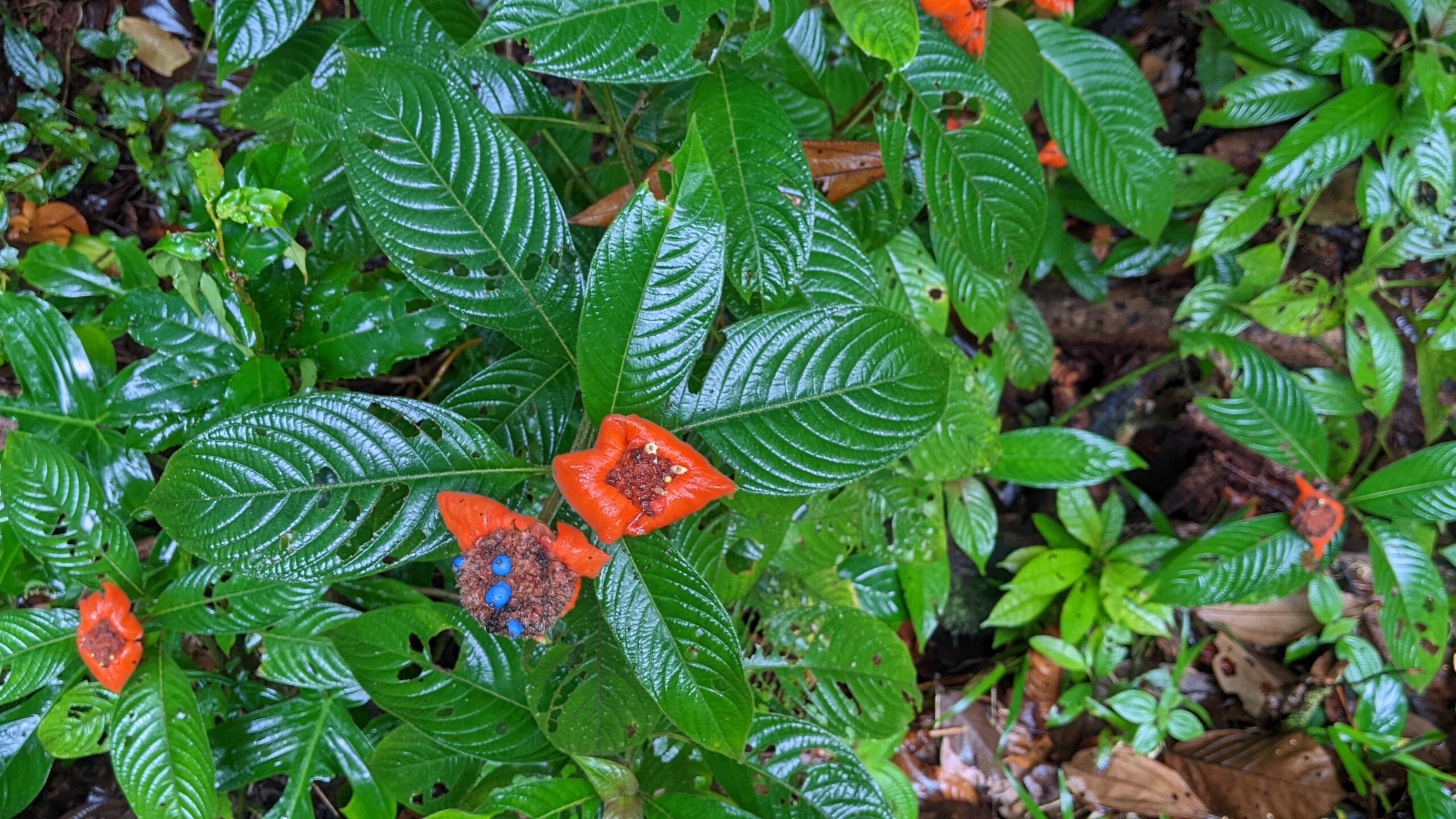
Scientific name: Palicourea tomentosa
In the tropical understory, where sunlight filters through the canopy, some plants stand out because of their colorful floral structures. Palicourea tomentosa, a member of the Rubiaceae family, is a tropical species associated with forest habitats and known for its striking appearance.
For botanical articles, it is essential to verify that each image carries the correct scientific identification.
6. Gloxinia perennis: a bell-shaped flower among the foliage
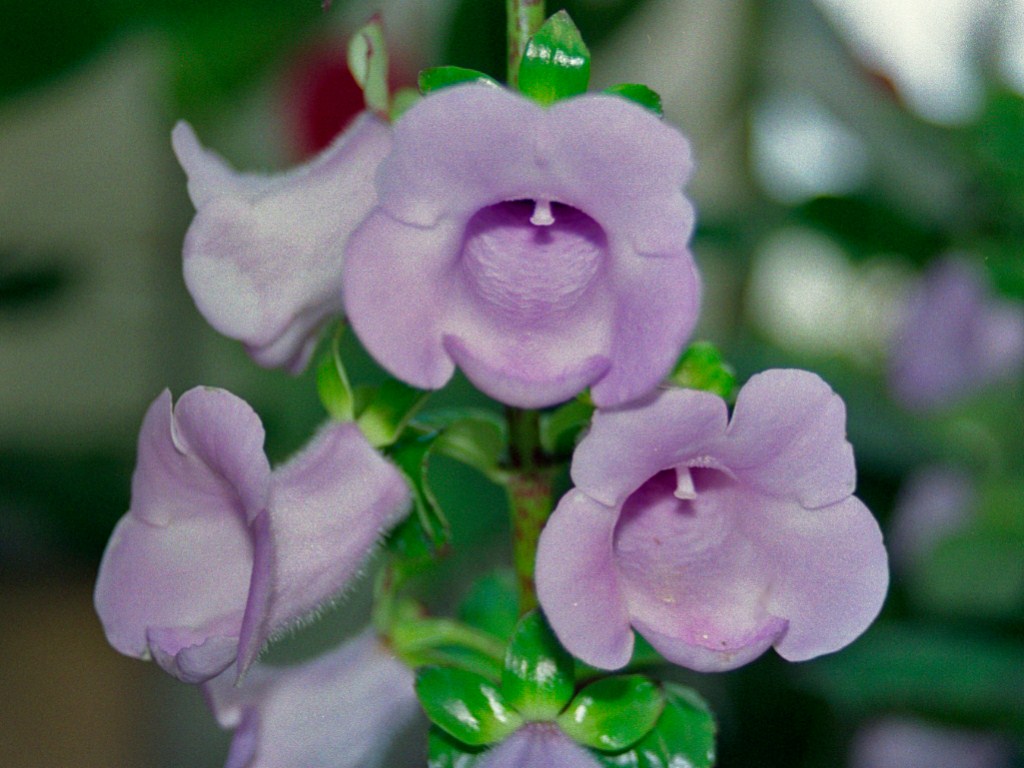
Scientific name: Gloxinia perennis
Bell-shaped flowers attract attention through their silhouettes and the contrasts they create with surrounding foliage. Gloxinia perennis is a tropical member of the Gesneriaceae family, which includes many plants valued for their ornamental flowers.
Its natural distribution extends across tropical parts of the Americas, so it should not be described as exclusively Amazonian without a specific source supporting that claim.
7. The rainforest flowers we rarely notice
Not every botanical wonder is large or brightly colored. In the Amazon, many flowers grow close to the ground, high on branches, or among leaves that receive little sunlight. Some bloom only briefly; others use subtle colors and rely on fragrance or floral shape to attract pollinators.
This diversity reminds us that a tropical rainforest is much more than a collection of trees. It is a network of relationships among plants, insects, birds, mammals, fungi, and microorganisms.
Why is it important to protect Amazonian flowers?
Flowers are part of ecosystems that provide food and shelter for countless organisms. Deforestation, forest fragmentation, and changes to waterways can harm plants and the animals that depend on them.
Protecting Amazonian flora means conserving entire habitats, respecting protected areas, and avoiding the removal of wild plants for the ornamental trade. It also means supporting scientific research and valuing the knowledge of communities who live in the region.
A world of beauty waiting to be discovered
From the giant leaves of Victoria amazonica to the intricate flowers of passionflowers and orchids, the Amazon holds a floral diversity that goes far beyond what we might imagine.
Every species tells a story of adaptation, survival, and connection with its environment. Looking closely at these flowers is also an invitation to understand why one of the planet’s great natural treasures deserves protection.
Which of these flowers surprised you the most? Share this article with anyone who loves discovering the wonders of the plant world.
A companion read about the plant world
If you would like to keep exploring plant diversity beyond Amazonian flowers, this illustrated book may be a useful companion read. It is not a substitute for the scientific sources cited in this article when identifying species or checking their distribution.
Flora: The Secret World of Plants
A visually oriented book about the plant world for readers who enjoy discovering plant diversity and detail. Please note that the linked edition may be in Spanish.
See the book on Amazon: View Flora: El mundo secreto de las plantas
Affiliate disclosure: As an Amazon Associate, Flores del Corazón earns from qualifying purchases. We may receive a commission if you buy through this link, at no additional cost to you.
Botanical sources for further reading
- Kew Science: Victoria amazonica
- Kew Science: Passiflora vitifolia
- Smithsonian: heliconias and conservation
Share this content:


_Borhidi,_2011_-_20220115_122341756.jpg)
