The World’s Most Extraordinary Blue Flowers: Natural Shades That Seem Impossible
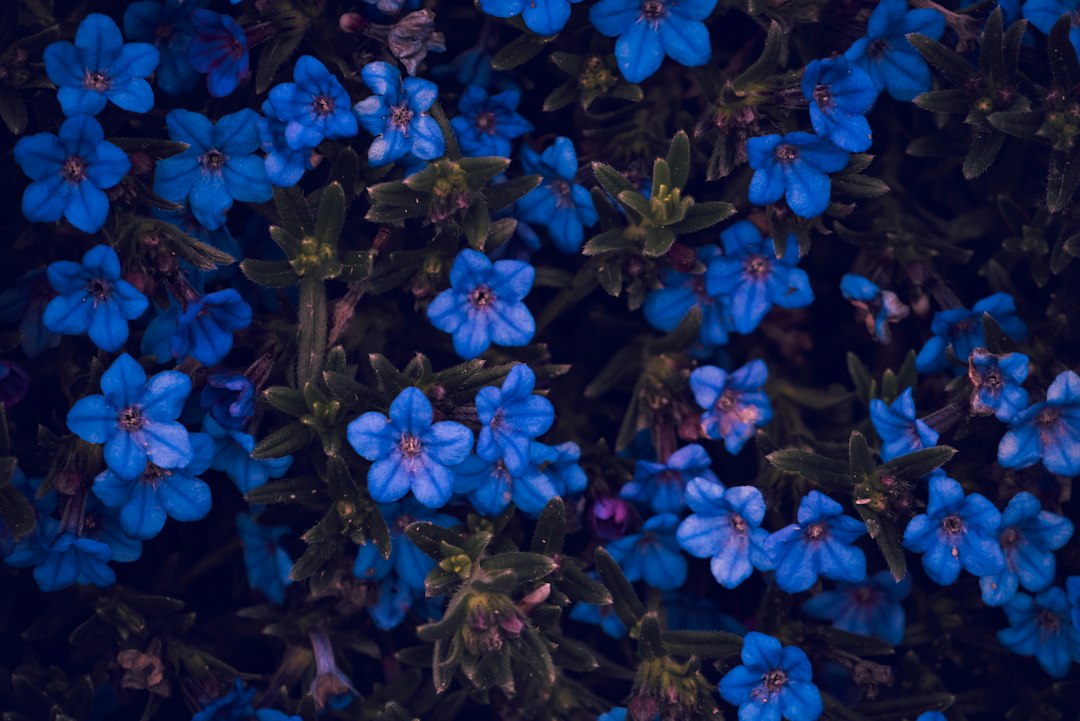
Hello friends, the flowers always surprise us with their colors, but it is really strange to find blue flowers. Blue is one of the least common intense colors in flowers. Blooms that look blue in a photograph may appear violet or purple under different lighting, depending on the plant variety, the camera, and how we perceive color. Even so, several remarkable flowers display shades ranging from pale sky blue to deep, saturated blue.
Here are some well-known blue-flowered plants and the botanical stories behind their color. As always, it is important to distinguish wild species from horticultural cultivars and plants grown outside their native range.
1. Himalayan blue poppies: mountain flowers with an otherworldly hue
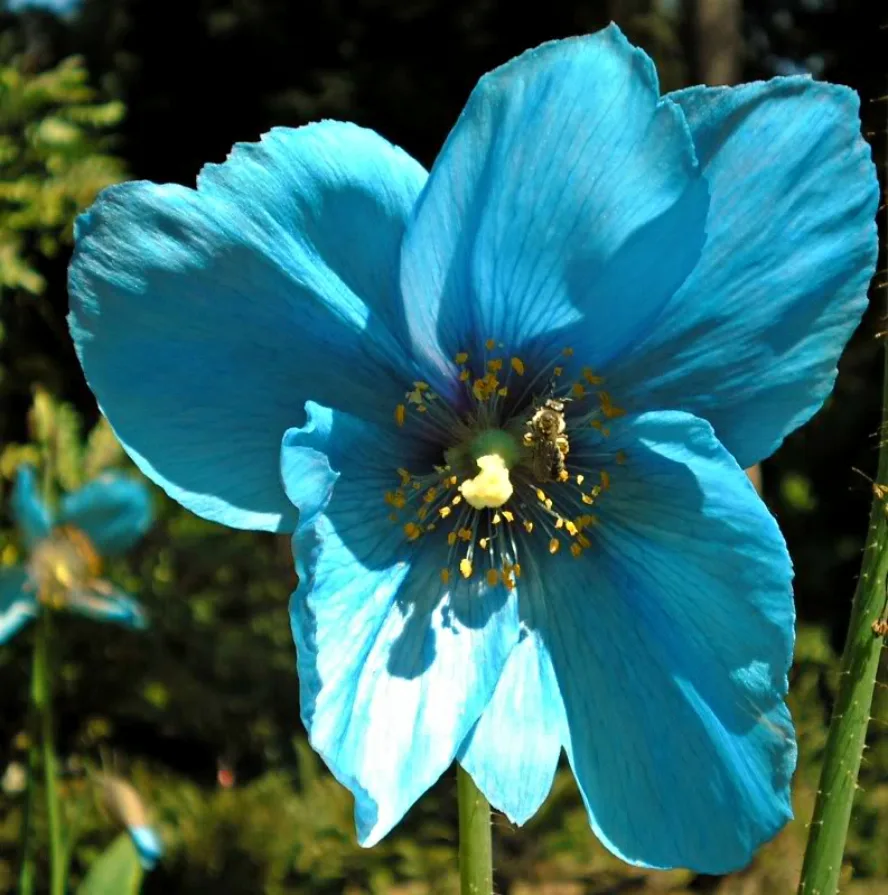
Genus: Meconopsis
Some plants commonly called Himalayan blue poppies produce large, silky flowers in shades of blue that can seem almost unreal. They are associated with cool mountain environments in Asia, although the range and classification vary among species in the genus. Not every plant called a “blue poppy” is the same species, so the scientific name should be checked for each specimen.
These plants often need specific growing conditions and do not thrive in every climate. Photographs should be identified carefully because lighting and digital processing can substantially alter the apparent color.
2. Gentians: remarkably intense blue flowers
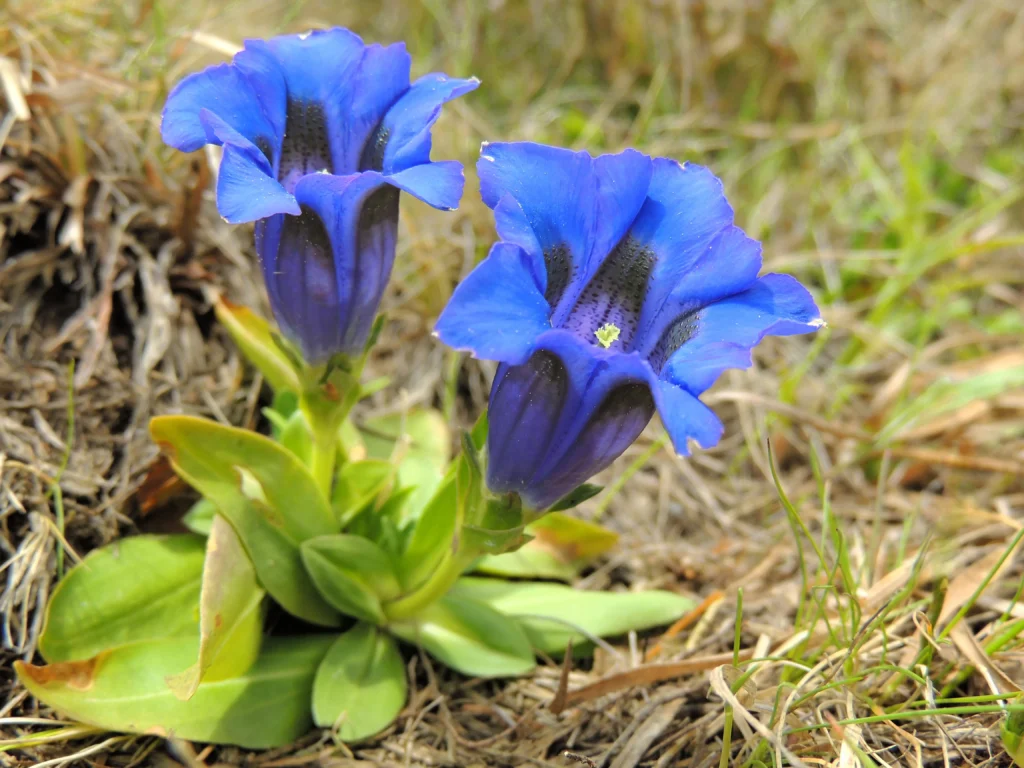
Genus: Gentiana
Gentians include species with bell-shaped or trumpet-shaped flowers, many celebrated for their vivid blue color. The genus occurs in different parts of the world, especially in temperate and mountainous habitats. Some species bloom in alpine meadows, while others grow in wetter environments.
The genus is diverse: not all gentians are blue, and different species have different needs. Checking the species name helps confirm its distribution, flowering season, and cultivation requirements.
3. Delphiniums: tall spires of blue and violet
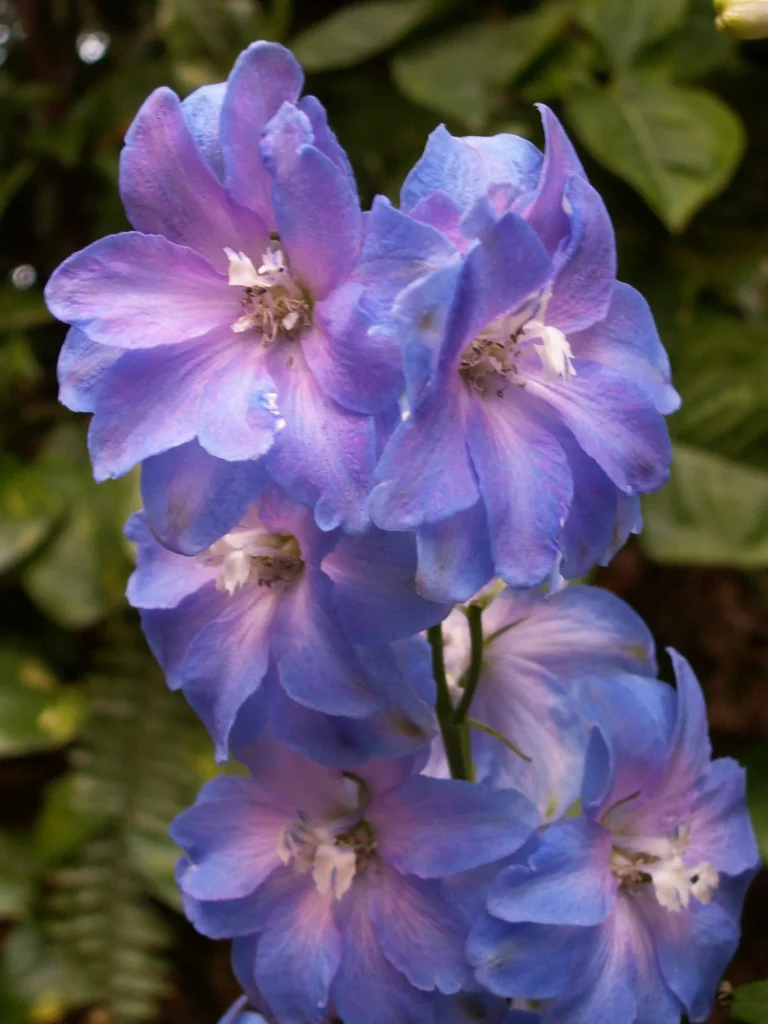
Genus: Delphinium
Delphiniums are known for tall flower spikes covered with blooms that may be sky blue, deep blue, violet, white, or pink. Many garden varieties have been selected for their color and flower form, so a photograph of a cultivar does not necessarily represent a wild population.
Their upright shape brings height and contrast to gardens. Some Delphinium species are toxic if ingested, so keep them away from young children and pets that might chew the plants.
4. Clitoria ternatea: the vivid blue butterfly pea
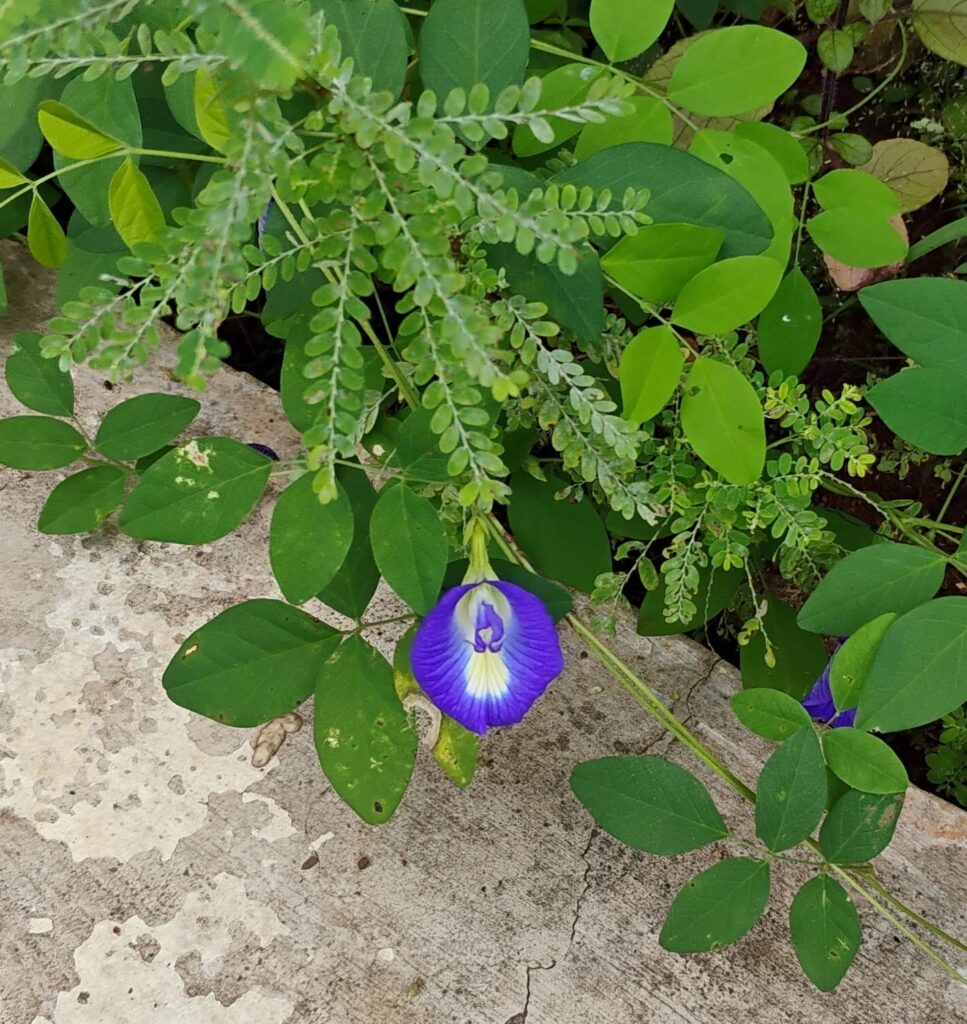
Scientific name: Clitoria ternatea
This tropical climbing plant produces vivid blue flowers, often with a paler center. It is native to tropical parts of Asia and is now cultivated in many warm regions. Its flowers are used in some culinary traditions to color drinks and infusions, although the safety and possible interactions of any preparation should be assessed using reliable health sources.
The plant climbs with flexible stems and can grow quickly in warm conditions. It is best described as widely cultivated in tropical regions rather than assumed to be native everywhere it is found.
5. Bellflowers: delicate blossoms in shades of sky blue
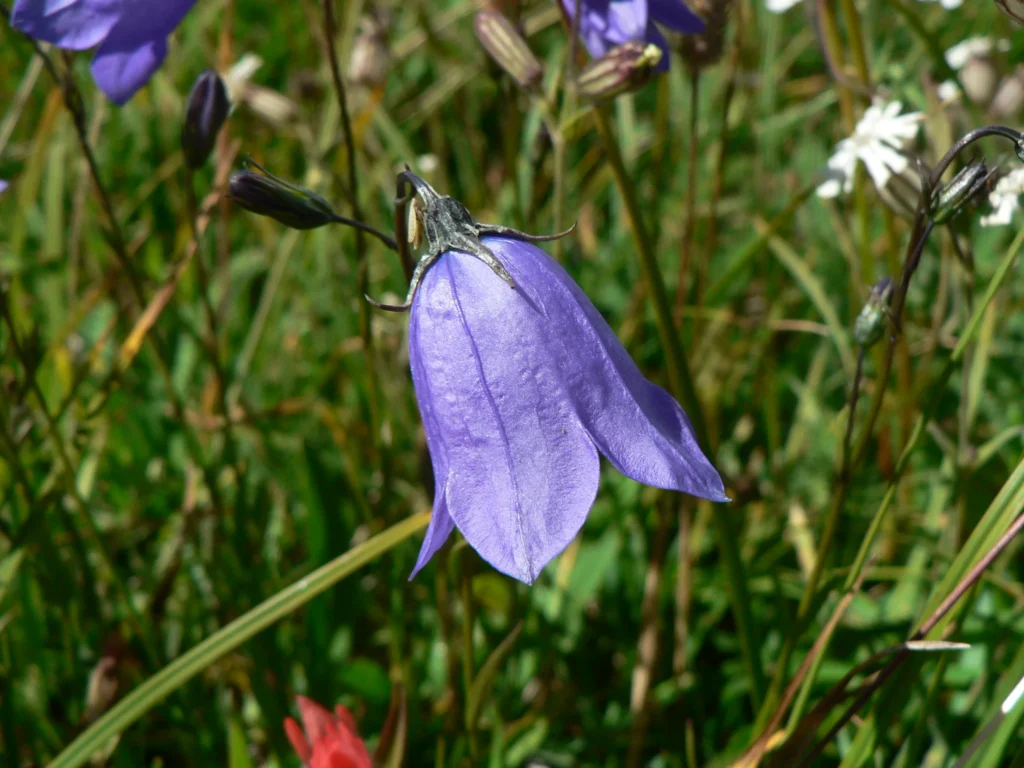
Genus: Campanula
Bellflowers take their name from their bell-shaped blooms. Depending on the species and cultivar, flowers may be pale blue, blue-violet, white, or purple. Some are compact plants suitable for borders and containers, while others form spreading ground cover.
Their delicate appearance makes them favorites in temperate gardens. Before planting them, check which species suits the local climate and whether it can become invasive in the surrounding environment.
Why is blue so unusual in flowers?
Flower color depends on pigments, tissue structure, cellular acidity, and the way light interacts with petals. Anthocyanins contribute to many red, purple, and bluish hues, but no single factor determines the final color. In many flowers, shades perceived as blue are close to violet or shift with the lighting.
That is why a photograph alone is not enough to establish an exact color or identify a plant. Digital editing, white balance, and screen settings can all change how a bloom appears. For botanical writing, compare images and scientific names with reliable herbaria, botanical gardens, or taxonomic databases.
How to photograph blue flowers accurately
- Use soft natural light, ideally in the morning or bright shade.
- Avoid filters that oversaturate blues or change white balance.
- Include the scientific name and confirm that the image depicts the species or cultivar claimed.
- Check the photo license before reuse and save the creator’s name and any required attribution.
A color worth looking at twice
From mountain blue poppies to gentians, delphiniums, butterfly pea, and bellflowers, blue-flowered plants display a wide range of forms and adaptations. Some are wild species; others have been selected over generations for gardens. Learning their names and habitats helps us enjoy their beauty without confusing a cultivated variety with a native species.
Which of these blue flowers would you most like to see in person? Share this article with someone who loves plants.
Seeds and supplies for starting a blue-flower garden
If you would like to grow some blue flowers at home, these seed and seed-starting options may help you get started. Check growing requirements and local rules before planting; a species suitable for one garden may not be appropriate in every region.
1. Heavenly Blue morning glory seeds
Morning glories in the genus Ipomoea are climbing plants known for trumpet-shaped flowers. Before sowing, check whether the plant can be grown without restrictions in your area and prevent it from spreading beyond the garden.
See the seeds on Amazon: View Heavenly Blue morning glory seeds
2. Blue cornflower seeds
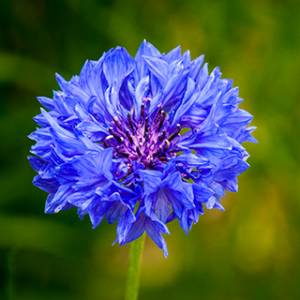
Cornflower, Centaurea cyanus, produces blue flowers and can be grown in flower gardens or for cut arrangements. Check the seller’s species identification and whether the growing conditions suit your climate.
See the seeds on Amazon: View blue cornflower seeds
3. Seed-starting pellets
A seed-starting product can make it easier to begin growing in small containers. Follow the manufacturer’s instructions and transplant seedlings when they are ready.
See the product on Amazon: View seed-starting pellets
Affiliate disclosure: As an Amazon Associate, Flores del Corazón earns from qualifying purchases. We may receive a commission if you buy through these links, at no additional cost to you.
Botanical sources for further reading
- Plants of the World Online, Royal Botanic Gardens, Kew — accepted names and distribution.
- Royal Horticultural Society: plant finder and growing advice — cultivation and ornamental varieties.
- Missouri Botanical Garden Plant Finder — ornamental plant references.
Share this content: