Lilies: types, characteristics and fundamental uses
Lilies
True lilies in the genus Lilium are valued for their varied flower shapes and colours. Some are richly scented, while others have little or no fragrance.
Origin

The genus Lilium includes species from temperate regions of the northern hemisphere. Many are native to parts of Asia, including China, Korea and Japan, as well asregions of Europe and North America. Lilies have been cultivated for centuries, although their horticultural histories vary. Their growing needs and fragrance differ among species and cultivars.
Characteristics

True lilies belong to the genus Lilium, family Liliaceae. They are bulbous plants with a great diversity of flower shapes and different colors including white, yellow, orange, pink and red, sometimes with spots. True Lilium species do not naturally produce blue flowers. Their leafy stems grow from underground bulbs that store nutrients, although cold hardiness varies with the species and local climate.
Meaning
Lily symbolism varies by culture, colour and occasion; there is no universal meaning for each shade.
Meaning by colors:
Whites: Often associated with purity or respect.
Yellows: May suggest happiness or friendship.
Reds: Can express affection or passion, depending on the occasion.
Oranges: Often linked to optimism. These associations are cultural, not fixed rules.
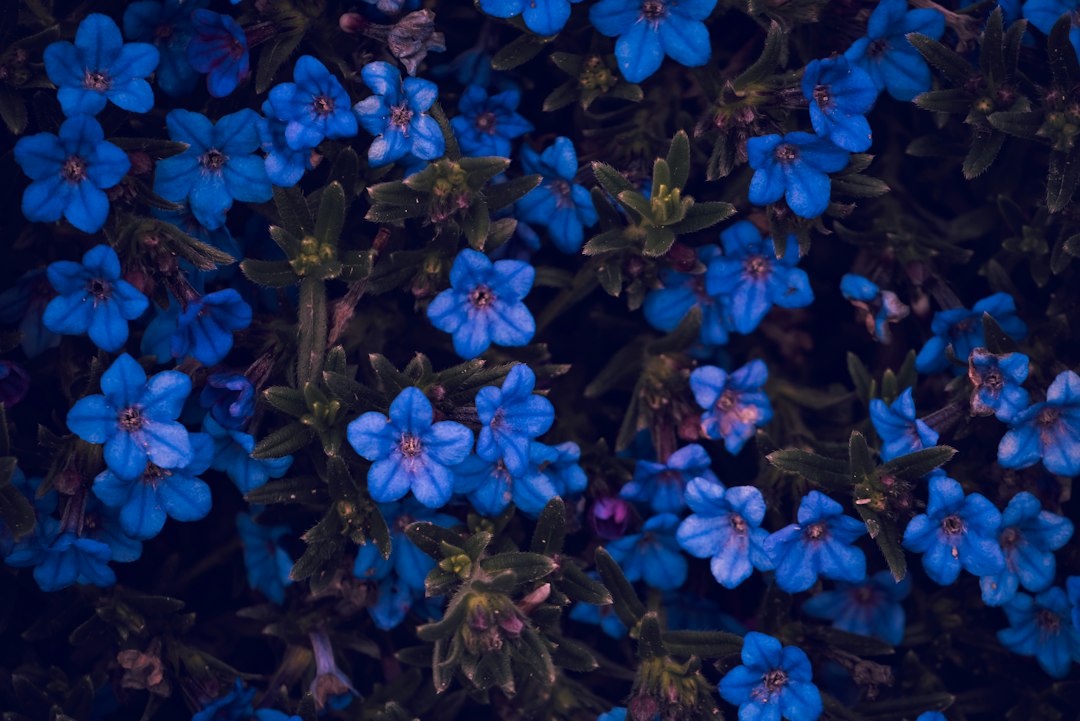
Blues: true lilies in the genus Lilium do not naturally have blue flowers; blooms sold as blue lilies may belong to other genera or be dyed.
Purple: Sometimes associated with admiration or mystery. Meanings vary by culture and by the person receiving the flowers.


Reproduction
Lilies can grow in gardens or containers with good drainage. Many thrive in sun or light partial shade with cool roots; not every species needs full sun throughout the day. Depending on the species and climate, bulbs are usually planted in autumn or spring.
Lilies can be propagated from seeds, bulb divisions, bulbils or bulb scales, depending on the species. Seedlings may take years to flower and hybrids do not necessarily resemble their parents. Plant healthy bulbs basal plate down, at a depth suited to the type: stem-rooting lilies generally need deeper planting.
Use fertile, free-draining soil and leave enough space for airflow. Keep the soil moist during active growth, never waterlogged.
Applications
Lilies are often used to decorate or give away at various events. At weddings, white lilies are often used in bouquets and centrepieces. These flowers have symbolised purity in some wedding traditions. Yellow lilies may be given to convey joy.
Its use is common in the cosmetic industry, especially in the production of perfumes and aromatic creams. The Netherlands is an important producer and trader of flower bulbs, but global rankings and export destinations change over time.
Traditional lily-infused oils have been used in cosmetics, but there is insufficient clinical evidence to recommend them for treating injuries. Do not put homemade lily preparations on burns, ulcers or open wounds. They may irritate the skin; seek medical advice for injuries.
Some notable lily species and cultivars:
Jouney's End

‘Journey’s End’ is an ornamental lily cultivar known for its large, showy blooms. The name suggests the end of a journey. Check the cultivar’s growing requirements before planting.
Medeoloides

Lilium medeoloides is an Asian species with often nodding orange flowers and recurved tepals. Its height and flowering depend on habitat and growing conditions; it is not simply defined by a short stem.
Especiosum

Lilium speciosum is an East Asian lily valued for its large, fragrant flowers with recurved tepals. Forms with white or pinkish petals and spotting are cultivated. Height varies with the plant and conditions; good drainage and slightly acidic soil are often beneficial.
Martagon

Lilium martagon, also called the martagon or Turk’s-cap lily, grows in woodlands and meadows across parts of Eurasia. It appreciates cool soil and light shade. Its nodding flowers may be pinkish or purple with darker spots and strongly recurved tepals.
StarGazer

‘Stargazer’ is a popular Oriental hybrid lily with large, upward-facing pink flowers and a strong fragrance.
Its name refers to looking towards the stars. It is a cultivar name, not a scientific species name. Like other true lilies, ‘Stargazer’ is extremely dangerous to cats.
Sterling Star

The cultivar ‘Sterling Star’ is valued for its light-coloured flowers and ornamental appearance. It should not be confused with a red-flowered lily ; check a reliable nursery description for its mature height, fragrance and growing requirements.
Pests and diseases
Problems that may affect lilies include:
Larvae and beetles: may chew holes in leaves.
Fungi: fungal diseases can cause leaf spots, rot or wilting. Excess moisture and poor airflow may increase the risk.
Rabbits, squirrels and marmots: some mammals feed on shoots or bulbs. Identify the cause before applying any treatment.
Important if you live with cats: true lilies (Lilium) and daylilies (Hemerocallis) can cause severe kidney failure, even through pollen exposure or drinking vase water. Seek urgent veterinary help after any exposure. The safest choice is not to keep these lilies where cats can reach them.
Protect your pets! Consult veterinary guidance when choosing pet-safe flowers.
If you notice insects or disease symptoms on your lilies, use our pest guides to identify the problem and choose proportionate measures.
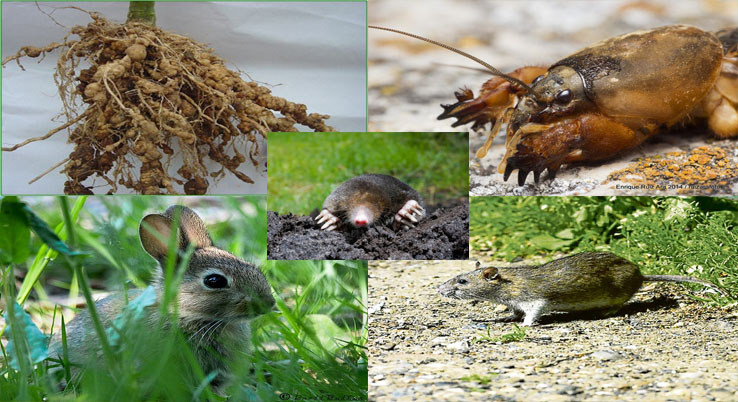
Garden pests: nematodes, mole crickets, moles, voles, rats and rabbits
Related article: Garden pests: caterpillars, cutworms, soil larvae, leafminers and leafhoppers Share this content:
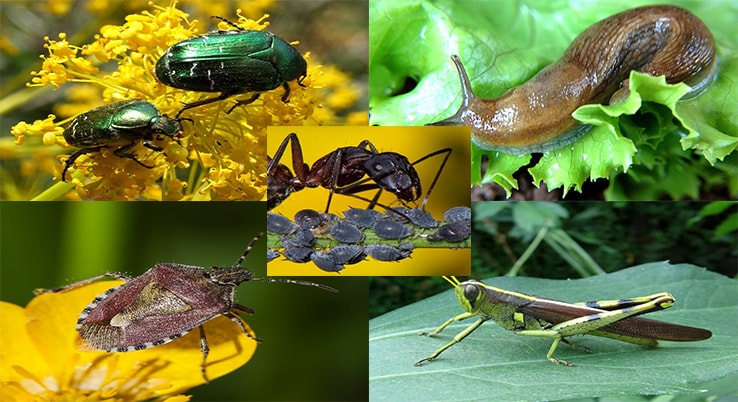
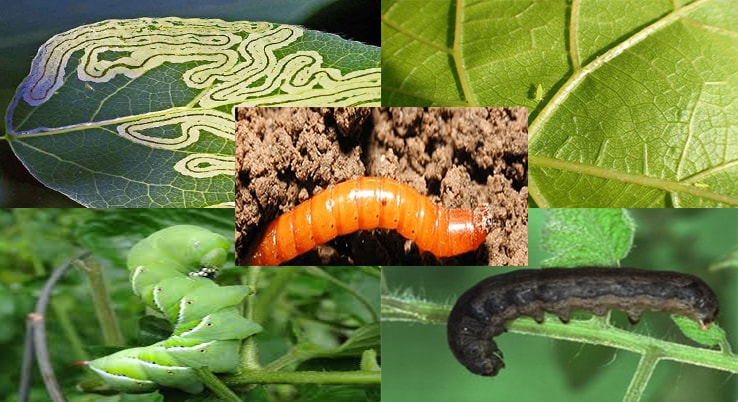
Types of garden pests: caterpillars, cutworms, soil larvae, leafminers and leafhoppers
Related article: Types of pests: Cochineals, aphids, whitefly, trips and red spider Share this content:
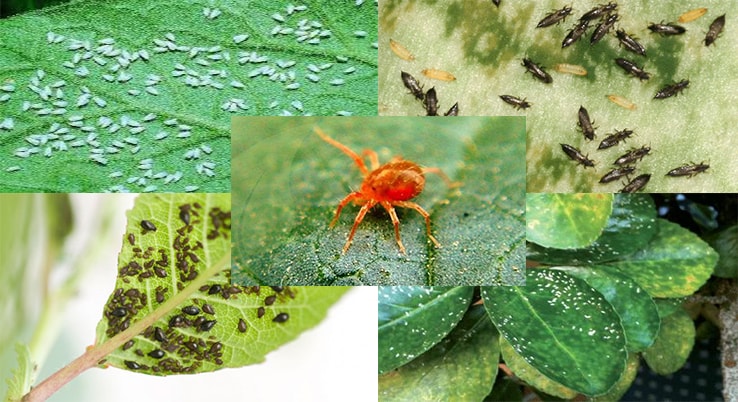
Types of pests: Cochineals, aphids, whitefly, trips and red spider
Related article: The ferns, characteristics and how to grow them Share this content:
If you found this guide useful, please like and share it with friends. Tell us which lilies you grow and how you care for them.
An essential precaution for cat owners
True lilies in the genus Lilium are beautiful, but there is one detail worth emphasising: every part of the plant, including its pollen, is highly toxic to cats. If a cat has chewed a lily, groomed pollen from its coat or drunk water from a vase containing lilies, contact a veterinarian immediately. Do not wait for symptoms to appear.
Most lilies prefer good light, cool roots and well-drained soil. Some cultivars are intensely fragrant while others have little scent, so choose one that suits your garden or patio. The Royal Horticultural Society offers growing advice and explains the risk to cats.
Related article: The orchids
Share this content: