Black rose of Halfeti: an exotic and beautiful Turkish flower
Hello, flower and plant lovers! We have explored many kinds of roses, but today we are looking at one of the most striking: the black rose of Halfeti.
Black Rose of Halfeti
Origin
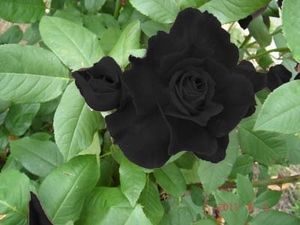
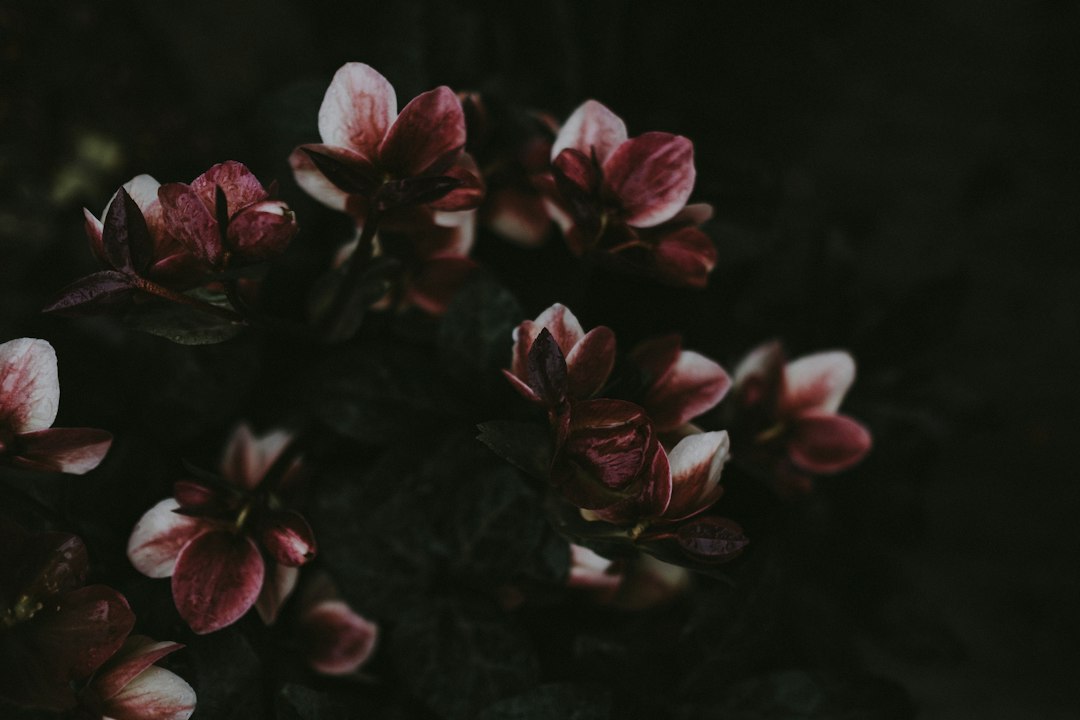
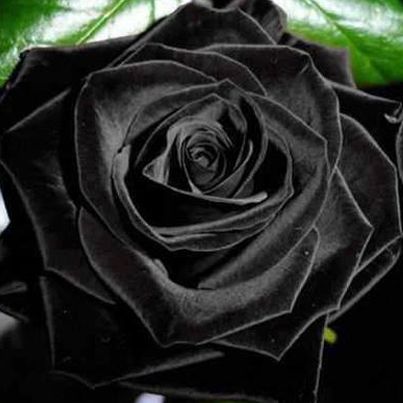
The black rose of Halfeti takes its name from Halfeti, a town in southeastern Turkey on the Euphrates River. Its petals can look almost black, although they are actually very dark burgundy or purple. Their appearance depends on petal pigments, the cultivar and growing conditions; no reliable evidence shows that the river water alone causes the colour. Stories about the special properties of the local soil and water are part of the flower’s reputation, but should not be treated as a proven botanical explanation.
Characteristics
These roses are admired for their deep tones, which can vary with the cultivar, light, temperature and season. It is misleading to claim that every plant turns black only in summer. Roses sold as ‘black roses’ do not necessarily come from Halfeti, and seedlings may not resemble the parent plant. The name ‘black rose of Halfeti’ refers to cultivated roses with very dark petals, not a separate botanical species. They should not be confused with Wild Roses.
Their rich colour makes a beautiful contrast in bouquets and gardens.
Meaning
The meaning of a dark rose varies by person and cultural setting. It may suggest mystery, elegance, farewell or mourning, but it would be inaccurate to claim that everyone in Turkey regards it as a bad omen. Floral symbolism reflects human traditions rather than an inherent property of the plant.
Some local stories connect these dark roses with mourning, while others celebrate their beauty. They are cultivated roses, not a distinct wild species known to be endangered.
The construction of the Birecik Dam and the flooding of part of old Halfeti changed the landscape and local gardens. Stories that transplanted roses changed colour are often repeated, but they should be distinguished from established botanical evidence.
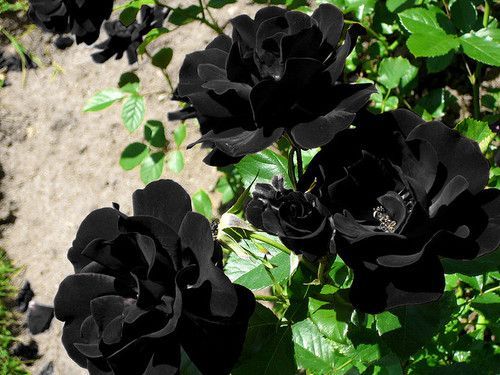
Protected cultivation and propagation can help preserve valued dark-flowered roses. A greenhouse alone, however, cannot guarantee petals that look black: the variety and growing conditions still matter.
Today, dark roses remain a celebrated floral symbol of Halfeti. Their unusual colour and the stories surrounding them continue to fascinate visitors.
I have always loved dark flowers, and learning more about their background makes them even more captivating.
Even if we cannot grow a Halfeti rose in our own garden, we can still admire its beauty and keep it close to our hearts. 🙂
Remember to like and share on your social networks if you liked this article. Leave us your comments here.
Source of information:
Are Halfeti roses truly black?
Hello friends, photographs of these striking roses often leave us wondering whether their petals really are black. In fact, true jet-black petals are not typical of roses: some varieties have such deep red or purple tones that they appear black in certain light. Their appearance can change with the variety, temperature and lighting, so it is worth being cautious about dramatic pictures that do not identify the plant.
Halfeti in Turkey is closely associated with very dark roses, but that does not mean every photograph of a black rose was taken there, or that a unique botanical species produces completely black petals. If you enjoy growing roses, the Royal Horticultural Society’s rose-growing guide offers practical advice.
Share this content: