Arnica: characteristics, cultivation and its medicinal properties
Mountain arnica (Arnica montana), also called mountain tobacco, is a perennial herb native to Europe. There it grows wild and can reach up to 50cm in height. It belongs to the Asteraceae family and has approximately 30 recognized species.
The reason they call it “mountain tobacco” is because the mountaineers smoked its dried leaves to treat respiratory problems, especially bronchitis and cough, although this use often irritated their mucosa.
Characteristics

The species of the Arnica genus have a long (50-100 cm) and erect flowering stem, generally without branching or little branching. Its leaves are hairy and opposite, petiolate or sessile. They can be oval, cordiform, deltoid, elliptical, lanceolate or linear; the edges are whole or denticulate, rarely slightly lobed.
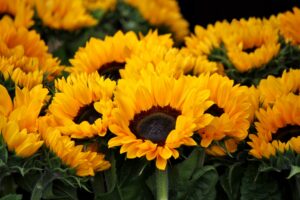
The faces are glabrous, hirsute, hispidulous, hairy, tomentose or woolly. In addition, there is often a basal rosette. The plant has a slight aromatic odor. Its flowers are yellow and its aroma is similar to that of chamomile.
We can find them mainly in the temperate regions of western North America and in the meadows or mountain pasture areas. It has numerous endemisms, and its habitat is cold areas devoid of lime, with acidic soils and with little nitrogen. However, most species have evolved to protect themselves from the cold, preferring sunny areas sheltered from the wind.
Arnica montana generally favors acidic, low-lime soils, but its European distribution cannot be inferred from soil chemistry alone. Currently some of its species are in danger of extinction due to its furtive collection for sale as a medicinal remedy.
Applications
The European Medicines Agency recognizes the traditional use of specific arnica-flower preparations to relieve bruises, sprains and localized muscle pain in adults and adolescents over 12. Clinical evidence of effectiveness remains limited.
Arnica contains sesquiterpene lactones, including helenalin derivatives, and flavonoids. Potential anti-inflammatory effects have been studied, but it has not been shown to cure infections, wounds or other diseases; allergic skin reactions are possible.
Do not swallow arnica or apply homemade preparations to wounds or broken skin: poisoning and dermatitis can occur. Use commercial topical products only according to their instructions.
Topical arnica products are sold for bruises and muscle discomfort, but they have not been shown reliably to prevent bruising, cure oral or fungal infections, or speed wound healing. Never swallow arnica or use it as a mouthwash.

Arnica extracts are used in commercially prepared creams, lotions and gels for traditional external use. Evidence for sprains and muscle pain is inconclusive, and these products have not been shown to prevent pregnancy stretch marks.
Arnica should not be swallowed because of its toxicity. There is insufficient clinical evidence to recommend it for epilepsy, angina or cancer. Homeopathic preparations do not replace effective medical treatment, and their safety depends on their ingredients and dilution.
Topical arnica products are marketed for bruises and muscle discomfort, but effectiveness varies by formulation and evidence is limited. They have not been proven to prevent stretch marks or cure acne.
Arnica should not be used for vaginal douching: it can cause irritation and is not a proven treatment for infections or intimate discomfort.
Contraindications

Avoid arnica during pregnancy and breastfeeding. Never ingest it or apply it to open wounds or broken skin; allergic reactions can occur, especially in people sensitive to the daisy family. Consult a healthcare professional before using topical products and keep them away from children.
Arnica has a long history of external use, but toxicity and allergy risks make careful use essential. For this reason you must be very careful when using it, and always consult with a medical and / or naturalist specialist to advise you on how to best and safely take advantage of the benefits of the plant.
If you found the article useful and liked it, share it on your social networks and leave your opinion here.

For the completion of this article, information was sought from:
The photos used are from:
Rodrigo Uriartt via Wunderstock (license)
chemazgz via Wunderstock (license)
Cletus Awreetus via Wunderstock (license)
Related article: Calendula: its characteristics, care and medicinal properties
Important precautions when using arnica
Hello friends, arnica has a long history of traditional use, but a familiar herbal remedy is not necessarily safe for everyone. Preparations made from Arnica montana for the skin should not be applied to open wounds and may cause allergic reactions, especially in people sensitive to the daisy family. Swallowing arnica can be toxic, so homemade arnica tea is not a safe option. For regulatory information on traditional use, see the European Medicines Agency.
Share this content: