The tuberose: its characteristics, care, uses and pests and diseases that affect it
Hello friends, today we will talk about one of my favorite flowers, I love its aroma and its delicacy: I am talking about tuberose (not true lilies).
Characteristics of tuberose
Tuberose is an herbaceous perennial with underground storage organs often called bulbs in gardening, although botanically it develops tuberous rhizomes with a simple floral stem, which has an inflorescence at the end. It can reach up to more than 1 meter in height.

It is currently classified in the family Asparagaceae; Kew accepts the name Polianthes tuberosa, while Agave amica is used by classifications that place this group within Agave and it is native to Mexico. Currently it can be found in much of Central America and the world. Among its popular names are Amiga de la noche, Vara de San José, Tuberosa blanca and Amole. The Aztecs called it Omizochilt: bone flower, because its petals are a radiant waxy white. And in India it is called Rajanigandha which means the fragrance of the night.
The tuberous rhizomes store the plant’s reserves and produce roots. The flowering stem emerges from the underground storage organ, erect and rounded. On this stem, small leaves grow to the upper end, where the inflorescence develops.

The inflorescence, which measures 30 to 60 cm in length, is composed of 8 to 20 flowers arranged in pairs. The flowers are hermaphroditic, small and very fragrant. They are formed by six tepals forming a tubular flower. They are generally white and of decreasing size from base to apex.
Pests and diseases
Pests
Tuberose can be affected by different pests: such as aphids, thrips, whiteflies and spider mites. To learn how to identify and eradicate these pests, you can see the links that I leave below.
Nematodes, mole crickets, moles, rats and rabbits
Snails, ants, grasshoppers, rose chafers and true bugs
Caterpillars, cutworms, soil-dwelling larvae, leafminers and leafhoppers
Scale insects, aphids, whiteflies, thrips and spider mites
Diseases
Tuberose can also develop diseases, particularly in poorly drained or persistently humid conditions. Watch for the following problems:
Root and neck rot (Phytophthora parasitica):
Phytophthora is an oomycete, not a true fungus, and can cause root and crown rot in overly wet soil. Avoid waterlogging, start with healthy planting material and confirm the diagnosis before applying plant-protection products.
Leaf spots: identification and management
Leaf spots can have several causes, including fungi, bacteria and environmental stress. Pathogen names associated with primroses should not be assigned to tuberose without a species-specific diagnosis.
Brown or black leaf spots alone cannot identify the pathogen. Remove affected tissue and improve air circulation; seek a plant-disease diagnosis if the problem continues.
Some fungi can cause anthracnose and leaf spots, but the causal agent needs to be identified. Start with healthy plants, avoid prolonged leaf wetness and clean tools before considering treatments.
Prevention includes well-drained soil, healthy planting material, removal of badly affected tissue and cleaning tools between plants.
Fungicides should be considered only after diagnosis and only when locally approved and used according to the product label; they are not always necessary.
Botrytis cinerea: This fungus thrives in persistently humid conditions, especially with moderate temperatures and poor air circulation. It affects the bulbs, leaves and flower buds, causing round brown spots. Control of this fungus is very important. Excess humidity should be avoided, either by reducing the dose and frequency of irrigation, spacing the plants or ventilating. It is also convenient to remove diseased tissues, cutting them flush with the stem and using disinfected tools.
Varieties of tuberose
White tuberose:
It is the most common in flower arrangements for weddings: from the decoration of the banquet to the bride’s bouquet. The white color symbolizes purity and innocence, which is why the white tuberose is the most suitable for these ceremonies.

If you want to learn how to make a beautiful bridal bouquet, and learn about the different bridal bouquets that exist, here is the link to one of our articles.
Pink tuberose:

is the most romantic. It is used for the most romantic celebrations: marriage requests, commemoration of the golden anniversary and more anniversaries.
Blue tuberose:

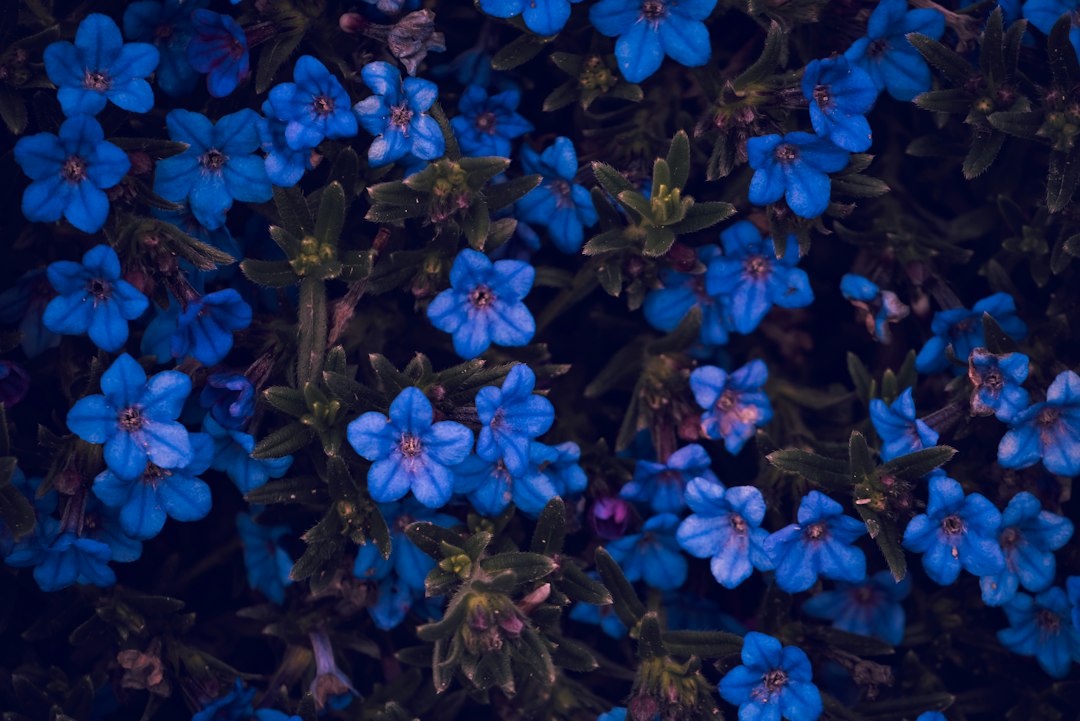
Blue tuberose sold by florists is generally dyed or preserved; vivid blue is not a usual natural flower color of Polianthes tuberosa. Such stems can still be used decoratively when the treatment is disclosed.
Tuberose was introduced to European gardens during the early modern period; accounts mention the Spanish botanist associated with the early botanical gardens of Seville: Simón de Tovar. Dutch growers subsequently helped expand its commercial cultivation. Later, this flower was taken to countries such as Italy and France. In the latter, it was grown mainly in El Valle Del Río Siagne, a place close to Cannes and Grasse.
The importance of amole in France became such that the plant was cultivated for the perfume industry in Grasse, although precise historical production figures require specific sources. However, the tuberose did not stop there. Over time, the exquisiteness of this plant conquered Morocco, India and other parts of the world.
Due to its captivating aroma, it is used to make luxury perfumes such as Fracas by Robert Piguet (1948), Poison by Dior (1985), Aura by Swarovski by Swarovski (2011) and Truth or dare by Madonna (2012).


Care for the cultivation of tuberose
To grow tuberose we must first select the place where we will grow it. You must bear in mind that it is important that you give it direct sunlight at least 6 hours a day. The soil must be well fertilized and have good drainage. The tuberose bulbs should be sown 15 or 20 cm apart, so that they can grow without problems, and preferably in spring. Watering should be spaced, although in summer and in the flowering period it may need to be more frequent.
The flowers should be cut early in the morning. It is recommended to cut those spikes that already have at least 2 pairs of flowers open. For its conservation, place the stems in a clean vase with fresh water and change it every one or two days. Adding aspirin has no reliably established benefit for vase life.
We have already seen some uses and characteristics of tuberose. If this article was useful to you, share it on your social networks with your friends. Do you know any other use for this plant? Leave us your comments here.

A note on tuberose flower colours
Hello friends, the fragrant tuberose is known botanically as Agave amica, also widely referred to by its older name Polianthes tuberosa. Its flowers are usually white or cream, with some pinkish selections. If you see adverts for “blue tuberoses”, check the scientific name and the source of the photograph: blue is not a characteristic colour of the common tuberose. You can explore its classification at Plants of the World Online (Kew).
Share this content: