Daisies: varieties, meanings and their cultural ties to Italy
Daisies are cheerful, varied flowers that bring colour to gardens and balconies. Let’s explore which plants share this common name and how to grow them.
Daisies
Origin
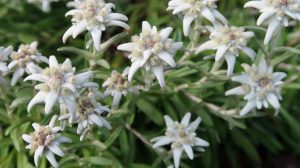
The common daisy is a perennial herb in the Asteraceae family, native to Europe and other parts of Eurasia. Its scientific name is Bellis perennis, also known as the common daisy or lawn daisy.
Mythology and legends
A Roman legend tells of the nymph Belides, who was pursued by Vertumnus, a god associated with gardens. In the story she was transformed into a small flower to escape him; this is a myth, not a botanical explanation.
Another Christian folk tale links white daisies with the star that guided the Magi. According to this story, the travellers asked for a sign.
They then noticed small white flowers near a stable. The flowers reminded them of the star they had followed. These narratives are cultural traditions rather than documented historical events.
Characteristics
Height varies by species: the common daisy (Bellis perennis) is low-growing, while other plants called daisies can exceed one metre. Stem length and shape vary by genus. Leaves differ in form and colour. What looks like one daisy flower is a flower head made up of many tiny florets. Daisy-like flowers can show white, yellow, pink or redtones, depending on the species. Some thrive in full sun, while others appreciate light shade. Good drainage matters more than keeping the soil constantly wet. Planting time depends on the species and local climate. Pest resistance also varies; no daisy is immune to every disease.
Is the daisy Italy’s national flower?
Online sources sometimes call the daisy Italy’s national flower and link it to Queen Margherita of Savoy. However, the Italian Presidency’s official list of republican symbols includes the flag, anthem, emblem and presidential standard, not a national flower. The daisy’s connection with Italy is better described as cultural rather than a verified legal designation.
Types of daisies
Asteraceae is a large family, but not all its members are called daisies. The common name applies to different genera with similarly shaped flower heads. Here are several familiar examples.

Thymophylla tenuiloba
Thymophylla tenuiloba is one of several plants called yellow daisy. It produces many small golden flower heads and prefers bright light, free-draining soil and moderate watering. Feed sparingly if growth is weak; avoid waterlogging.

Bellis perennis
The common daisy grows in sun or light shade, depending on the climate, and prefers soil that is not persistently waterlogged. Water during establishment and dry spells. It does not require complete shelter from wind, although exposed sites may dry faster.

Callistephus chinensis
Callistephus chinensis is commonly called China aster. This annual ornamental prefers good light, well-drained soil and regular watering without soaking the foliage. It originated in China and is now grown in gardens around the world.

Shasta daisy
Shasta daisy (Leucanthemum × superbum) is a perennial with large white-and-yellow flower heads. It grows in garden beds or spacious containers in sun and well-drained soil. Water when the soil begins to dry and remove faded flowers to keep plants tidy.

Argyranthemum frutescens (syn. Chrysanthemum frutescens)
Argyranthemum frutescens is a shrubby daisy native to Macaronesia and valued for its abundant flowers. It prefers bright light, free-draining soil and watering suited to the weather. Moderate feeding during active growth may help; there is no universal ban on summer fertilising.

Purple echinacea
Echinacea purpurea, native to North America, has pinkish-purple ray florets around a prominent central disc. It generally grows best in sun, well-drained soil and moderate moisture once established. The ground need not remain constantly wet.
Rudbeckia
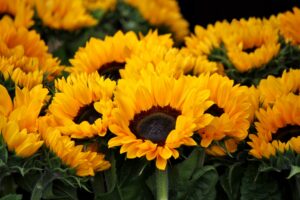
Rudbeckia is a North American genus with yellow ray florets and often dark central discs. Height and drought tolerance vary among species. Most appreciate sunshine and well-drained soil. Water young plants until established, then adjust irrigation to conditions.


Gerber Daisy
Gerbera daisies are prized for colourful flower heads. They need bright light but may benefit from protection from intense midday sun in hot climates. Keep the growing medium well drained and avoid leaving the crown persistently wet. Their flowers are popular in bouquets; they do not inherently attract birds that damage neighbouring plants.
Argyranthemum frutescens
Argyranthemum frutescens, also called the Canary Island marguerite, is native to the Canary Islands. This entry complements the earlier description: in mild climates it enjoys bright light, free-draining soil and moderate watering. Cultivars can have white, pink or yellowish flower heads.

Meaning
Daisies have been associated with simplicity, innocence and affection in various traditions. The familiar game of removing petals while saying “loves me, loves me not” is a folk custom, not a reliable guide to anyone’s feelings. Colour meanings are suggestions rather than universal rules:
White: innocence or respect
Yellow: joy or friendship
Red: affection or enthusiasm
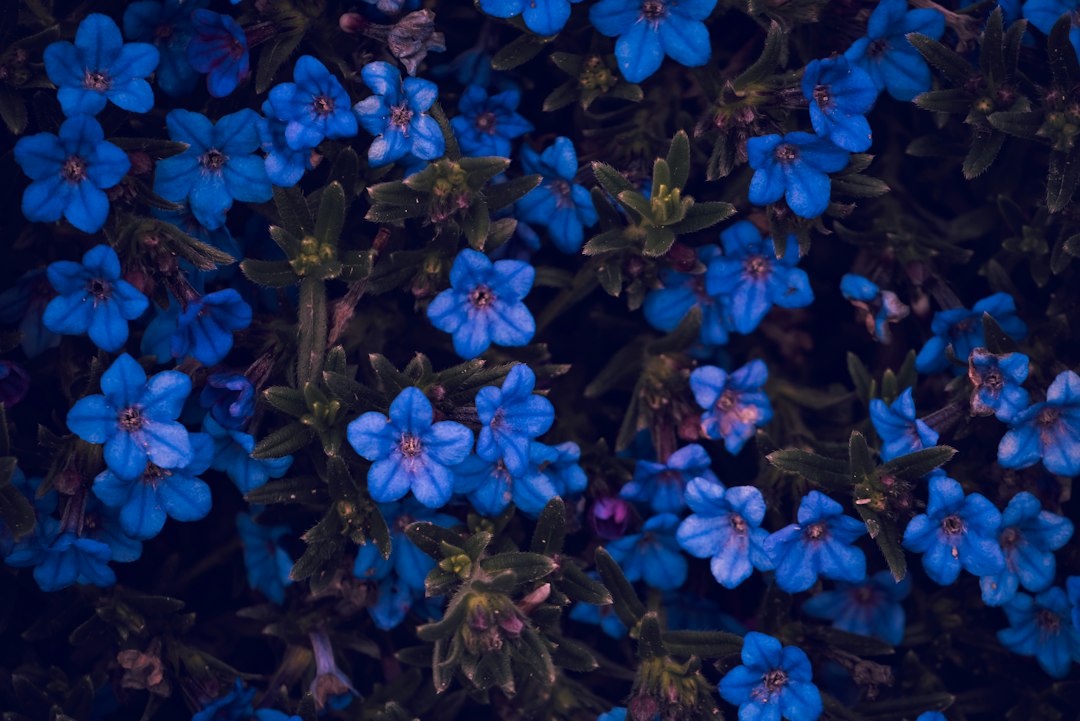
Blue: not a natural colour of common Bellis perennis; blue blooms may be dyed
Multicolor: diversity and celebration
Applications
Daisies are popular in bouquets, containers and gardens. Their many shapes and colours make them versatile ornamental plants. Some plants called daisies also have a history of culinary or herbal use. Young leaves of correctly identified Bellis perennis have been used as food, but not every daisy species is edible. Daisy infusions have appeared in folk medicine; these traditions do not establish clinical efficacy. Identify the species and check for pesticide contamination and Asteraceae allergies before consuming any plant. Do not use herbal preparations as substitutes for medical care.
Daisies offer a wide range of forms and colours. If you grow them, tell us which species you have and how you care for it.
Remember to like and share the article if you found it useful. Leave us your thoughts here.

Official reference: Presidency of the Italian Republic, I Simboli della Repubblica (quirinale.it). For botanical details and official national symbols, consult the sources below.
Botanical and official references
Related article: Coral tree: characteristics and care of the national flower of Argentina and Uruguay
Share this content: