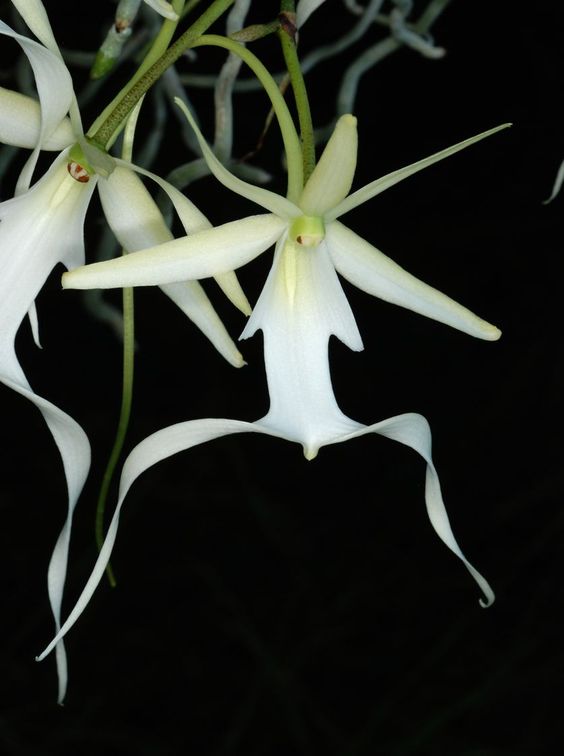
Dendrophylax lindenii, an exotic endangered orchid
Affiliate disclosure: As an Amazon Associate, we earn from qualifying purchases. Purchases through eligible links may generate a commission at no additional cost to you.
Dendrophylax lindenii, the ghost orchid, is a nearly leafless epiphytic orchid that grows attached to tree bark. Wild populations occur in southern Florida and Cuba, and the species has also been reported from the Bahamas. It is rare and threatened by habitat loss and alteration, hurricanes, and illegal collection. Wild plants must never be removed. In southern Florida, the National Park Service documents local threats and protection measures; regional conservation status should not be mistaken for a single global assessment.
Characteristics of Dendrophylax lindenii
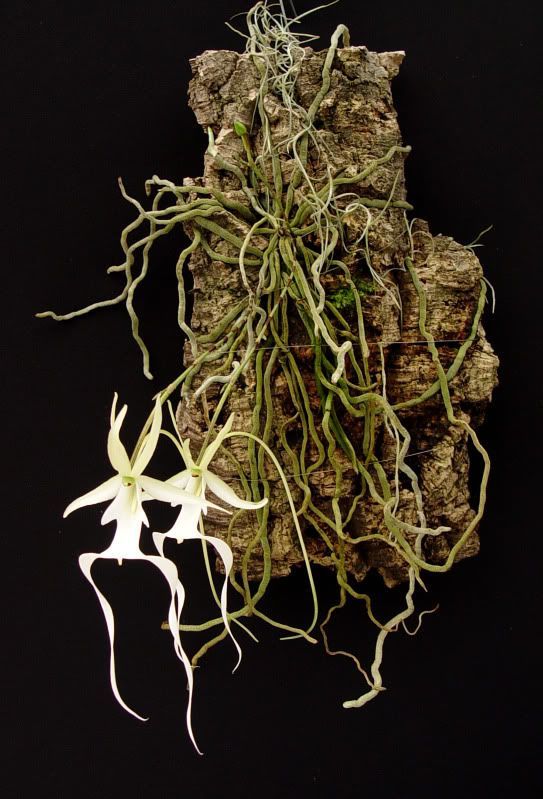
The ghost orchid is a plant that has no developed leaves, but its green roots contain chlorophyll and carry out photosynthesis. These aerial roots also absorb water and nutrients and anchor the plant to tree bark.
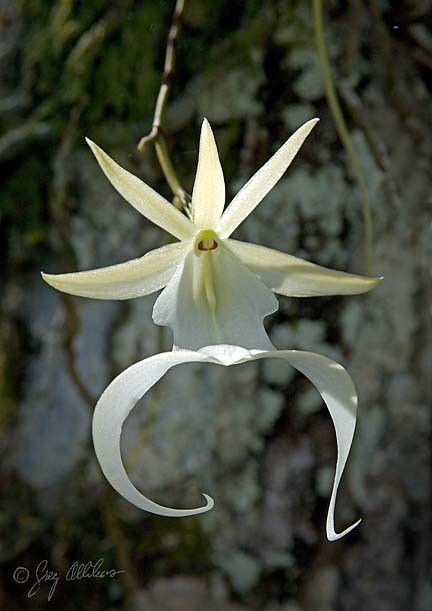
The ghost orchid has a distinctive, showy white flower. Its shape resembles a ghost, hence its common name. The flower releases a sweet scent, especially at night, and documented pollinators include hawkmoths; it does not depend on a single moth species.
Dendrophylax lindenii care
The ghost orchid needs highly specific conditions, including filtered light, good air movement, and high atmospheric humidity. Simply placing it on a terrace or in a tropical garden is not enough. Its exposed roots must be protected from harsh sun and cold, and even experienced growers find the species challenging. Only legally propagated plants with documented origins should be considered for specialist cultivation.
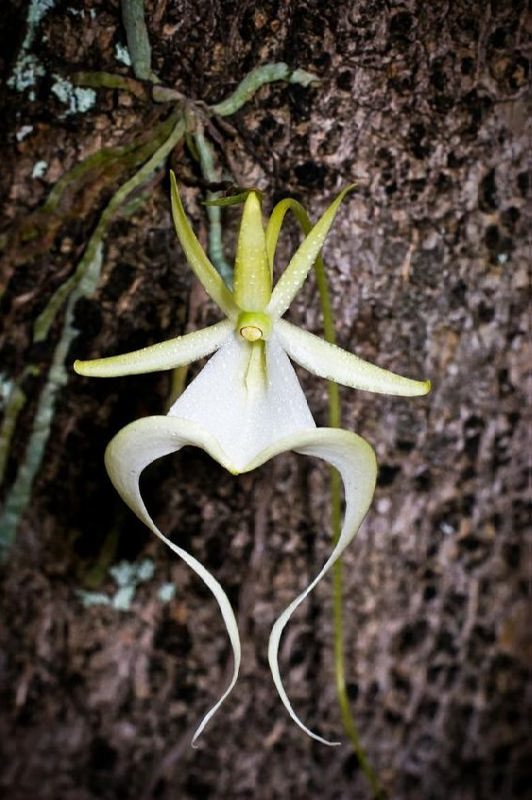
This almost leafless epiphyte relies on exposed roots for moisture uptake and photosynthesis. Specialist growers adjust misting or watering to airflow and the drying of the roots; constantly waterlogged roots can deteriorate. It should not be treated like an ordinary potted orchid in conventional potting mix. Any fertilizer must be very dilute and appropriate for the species.
In this case we recommend this fertilizer available on Amazon.
This is Organic Plant Food: This liquid orchid fertilizer provides organic nutrients to support plant nutrition; always follow the manufacturers directions and safety precautions.
Meaning of Dendrophylax lindenii
The ghost orchid is a very special plant valued by orchid lovers. Its unusual shape and sweet scent make it a very attractive plant, but it is also valued for its rarity and fragility. The ghost orchid is a symbol of beauty and grace, and is associated with elegance and sophistication.
Forms of reproduction
The ghost orchid produces tiny seeds whose germination in the wild depends on suitable mycorrhizal fungi. Controlled propagation requires specialist methods, often including sterile laboratory culture; humidity, temperature, and nutrients alone do not explain successful seedling development. Properly authorized ex situ propagation can support conservation.
Pests and diseases
Dendrophylax lindenii is quite a hardy plant, but like any plant, it can be affected by pests and diseases. In cultivation, insects or mites may occasionally cause damage, but there is insufficient evidence to describe aphids and spider mites as this species’ most common pests. Identify the problem before considering any treatment. To eliminate these pests, you can consult our article Types of pests: mealybugs, aphids, whiteflies, thrips and red spider mites
To prevent these pests, it is advisable to keep the plant clean and free of dust and debris.
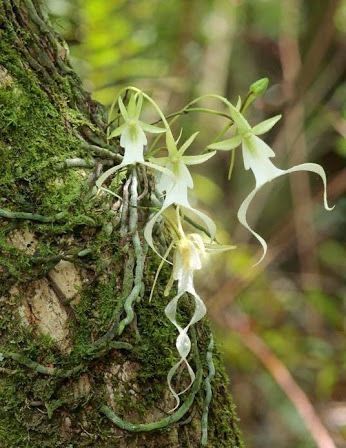
Roots can deteriorate when they stay wet without sufficient airflow or become infected. Because this orchid grows on bark rather than in conventional potting mix, improving the drainage of a substrate is not the central precaution. Monitor root health, maintain ventilation, and avoid applying pesticides without a reliable diagnosis.
The ghost orchid is remarkable for its biology and rarity, but it is not a suitable beginner plant or an ordinary addition to any garden. Protecting its natural habitat and preventing wild collection are far more important than promoting it as a decorative specimen.
If you want to know a little more about orchids in general, we recommend our article on Orchids.
Remember to leave us your comments and share our article on your social networks if you liked it.
Share this content: