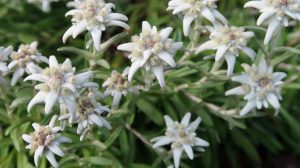
Biarum dispar: a flower in danger of extinction
Today we explore Biarum dispar, a small wild plant that is easy to overlook until it flowers. In Spain’s Region of Murcia, it is listed as “endangered” under the regional protected-flora catalogue established by Decree 50/2003. This is a regional legal designation; it should not automatically be interpreted as a global conservation assessment.
Biarum dispar: a little-known plant worth protecting

This member of the arum family (Araceae) grows in particular Mediterranean habitats and has been recorded around seasonal watercourses, field margins and less-disturbed land in the Campo de Cartagena area. Its survival depends on local soil and moisture conditions. Intensive agriculture, earthworks and changes to these habitats can fragment or eliminate populations.
Protecting the species means caring for its habitat as well as the individual plants.
Infrastructure construction, heavy machinery and other disturbances may create additional risks at particular sites. Invertebrate damage and disease can affect individual plants, but they should not be presented as proven causes of population decline without supporting field studies. Conservation priorities need to be based on monitoring rather than isolated observations.

Campo de Cartagena is a landscape of plains, low hills and seasonal drainage channels. Farming and other human activities have reshaped it over many centuries. Parts of the region once supported extensive stands of esparto grass, Macrochloa tenacissima (formerly widely called Stipa tenacissima). This history helps explain how much the local habitat has changed.
How to recognise Biarum dispar
This species is a geophyte, surviving part of the year through underground storage organs. When present, its leaves are elongated and may have wavy margins. Like other arums, it produces an inflorescence consisting of a spathe and spadix, rather than a single conventional flower with petals.
During flowering it may release a scent reminiscent of decaying organic matter, which can attract certain insect pollinators. Fleshy fruits subsequently develop close to the ground. Their appearance and timing can vary, so reliable identification is best made using specialist botanical guidance.

Finding this plant in the wild is not a reason to dig it up or collect its fruits. Protecting natural populations matters more than attempting to grow a rare specimen at home. Observe without trampling nearby vegetation and follow the rules that apply to protected sites.
Which other threatened plants would you like us to feature? At Flores del Corazón, we believe even the most unassuming species deserve attention.
Sources: the Region of Murcia protected-flora catalogue (Decree 50/2003) and Kew’s botanical profile of Biarum dispar. Regional legal categories and population status should be checked against official updates.

Related article: Acer granatense: a beautiful tree in danger of extinction
Share this content: