Acer granatense: a beautiful tree in danger of extinction
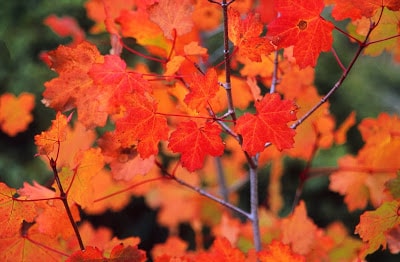
Acer granatense, commonly called the Granada maple, is a deciduous mountain tree admired for its lobed leaves and autumn colours. The name Acer granatense is treated as a synonym of Acer opalus subsp. granatense in the taxonomy currently accepted by Kew. It is legally protected in Murcia because of the vulnerability of its regional populations; this does not mean that the species has the same threat status throughout its range.
The Granada maple and its mountain refuges
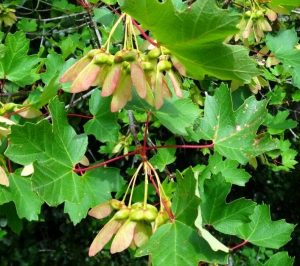
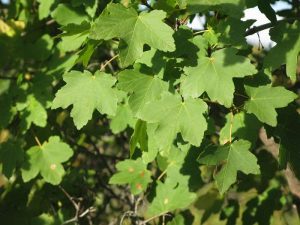
It is native to parts of the western Mediterranean, including mountains in eastern and southern mainland Spain, Mallorca and North Africa. Depending on growing conditions, it may develop as a small tree or a multi-stemmed shrub. It has greyish bark and opposite, deciduous, palmately lobed leaves on relatively long stalks.
Small yellow-green flowers appear in spring, often in drooping clusters among the emerging leaves.
Its fruits are paired winged samaras, which help the seeds disperse on the wind. Flowering generally coincides with spring leaf growth, while the fruits ripen later, often from late summer into autumn.
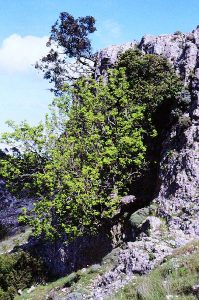
This maple favours relatively cool sites, often on limestone, including shaded ravines and rocky crevices. Moisture availability during dry Mediterranean summers is especially important. Tolerance of a Mediterranean climate does not mean unlimited drought resistance.
Why are some populations at risk?
Small, isolated populations have been recorded in Murcia. Prolonged drought, habitat fragmentation and poor seedling recruitment can make recovery difficult. Current population sizes should be checked against recent field surveys; historical descriptions are not a substitute for an up-to-date census.
In mountain areas of north-western Murcia, including Mojantes and sites around Caravaca and Moratalla, browsing by goats and other herbivores may hinder regeneration. Past wildfires have also affected some stands. Their effects vary by location and date, so it would be misleading to assume that every population faces exactly the same conditions today.
Unauthorised collection of seeds or plants can further weaken small populations, especially where few seedlings survive. Conservation work therefore focuses on habitat protection, population monitoring and regeneration using appropriately sourced plant material.
If you would like to grow an ornamental maple, choose a nursery that can document its plants’ legal origin. Never remove trees or seeds from protected wild populations.
The Granada maple is a reminder that even long-lived trees may depend on a handful of cool mountain refuges. Do you know another overlooked Mediterranean tree worth featuring? Share your suggestions in the comments.
References: the Region of Murcia’s official Murcia Natural species account for the Granada maple, and botanical literature on Acer granatense / Acer opalus subsp. granatense.

Related article: Biarum dispar: a flower in danger of extinction
Share this content: