The Imperial crown: an exotic, majestic and elegant flower
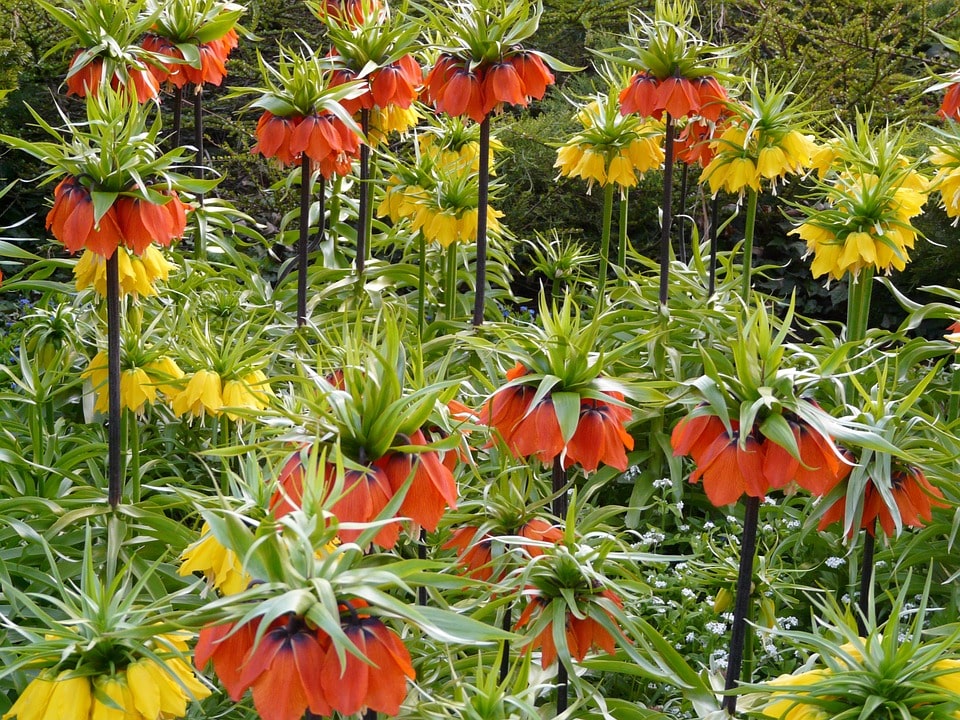
Hello friends. The flower to which we dedicate this article today really captivated me as soon as I saw it. It is really beautiful. It is the Imperial Crown.
Imperial crown
Characteristics
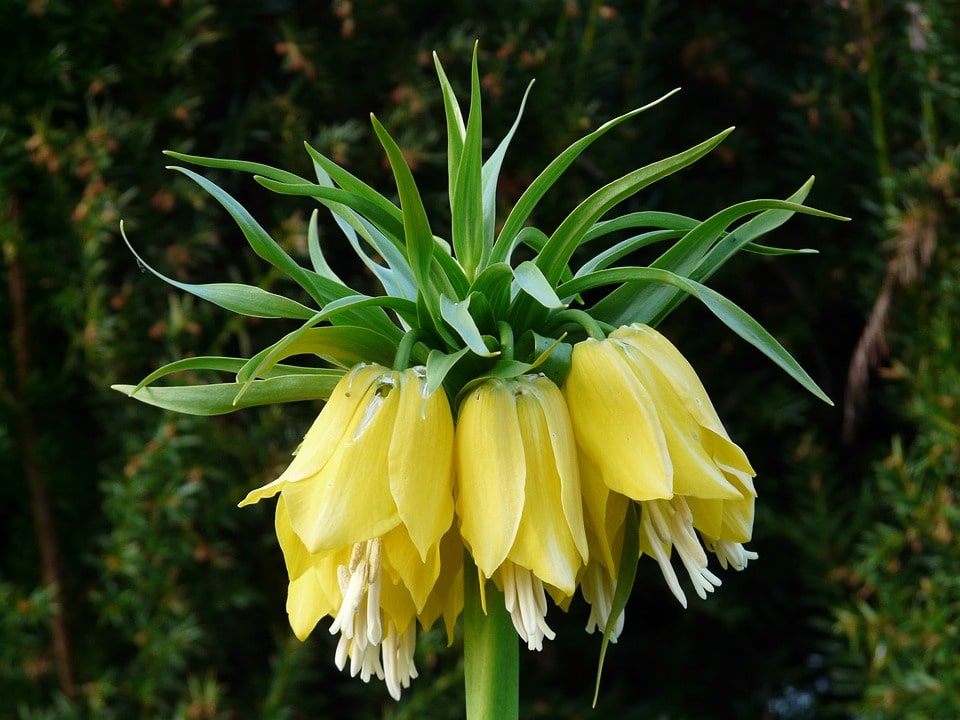
The scientific name of the Imperial Crown is Fritillaria imperialis and is native to Central Asia and the Middle East. It belongs to the family of Liliaceae (Liliáceas), like the lilies. This genus has about 85 species. It is also popularly known as Fritilaria.
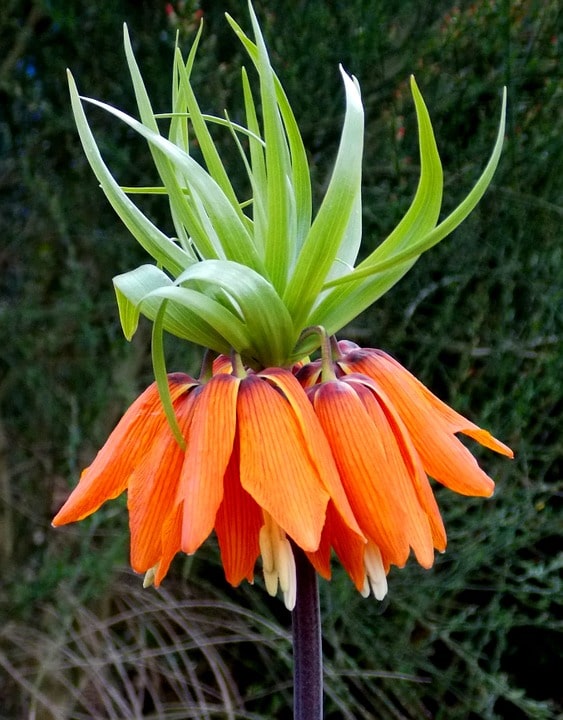
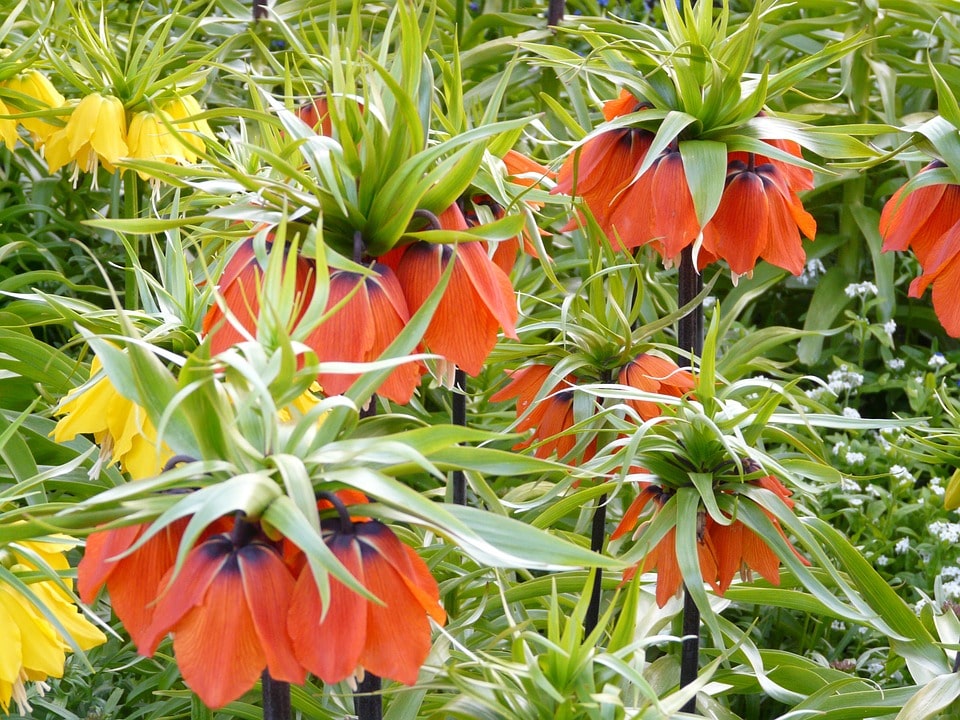
It is a perennial plant, and is characterized by having straight and strong stems with a height of between 40 to 100cm. At the tip of these is a cluster of hanging flowers, shaped like a bell. On top of them a crown of green, lanceolate and pointed leaves is formed. The color of its flowers varies according to the variety, wildly they are only found in deep red, but in the cultivars they vary, from red, yellow, white and orange or a mixture of several. These flowers have a strong smell, which repels rodents and other pests that can invade your garden.
Reproduction and care
The multiplication of the imperial Crown is through the division by bulbs. It is convenient to do it in autumn, so that in spring you can enjoy the first flowers of this amazing species.
You should plant the bulbs at a depth of approximately 15–20 cm for Fritillaria imperialis, adjusting to bulb size and soil drainage, in a place with direct exposure to the sun or semi-shade and the soil must contain abundant humus or other organic fertilizer.
During the first weeks the soil must be moist, but with good drainage, to avoid rotting the bulbs. After flowering, remove the dried flower stalk if needed, but leave the foliage in place while it remains green so the bulb can replenish its reserves. The imperial crown tolerates winter cold when its bulbs are established in well-drained soil; prolonged waterlogging is a greater concern than ordinary frost. Shelter from strong winds can help prevent its tall flowering stems from bending.
Common species
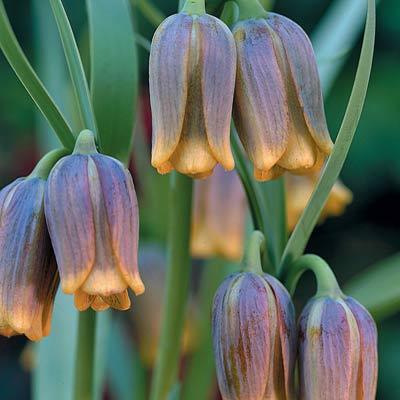
Fritillaria assyriaca
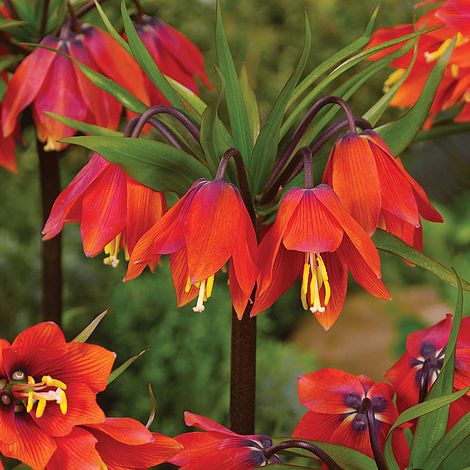
Flower Fritillaria imperialis
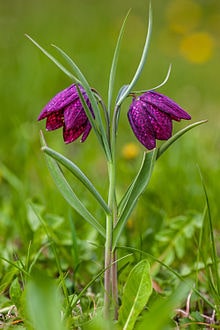
Fritillaria meleagris
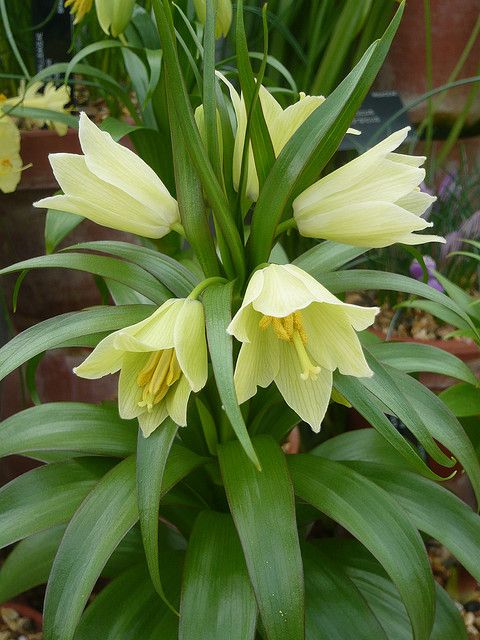
Flower Fritillaria pallidiflora
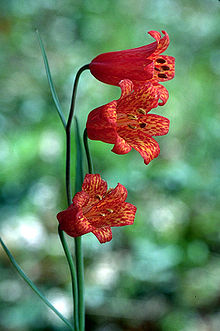
Fritillaria recurva
Use
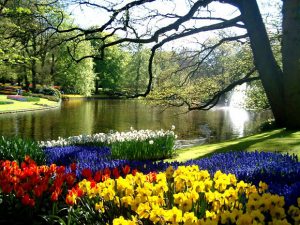
This plant is generally used for decoration. This can be done in two ways. The first, leaving the plant alone to highlight its splendor. The second, combining it with other related genera to form a flowerbed in your garden. It can also be grown in pots and used to decorate terraces or balconies.
Its majestic bearing and exotic flowers undoubtedly characterize the Imperial Crown.
Remember to rate our article, and like and share it with your friends on social networks. Leave us your comments here.

Share this content: