Night flowers: simple, beautiful and aromatic flowers for your garden
Hello, friends. Someone recently gave me a plant whose flowers emerge from flattened stems that look like leaves. I was told it blooms at night, which sparked my interest in other night-flowering plants.
Although we usually admire garden flowers by day, some species open at dusk or overnight. Many attract night-flying pollinators with their scent, but not all are pale or strongly fragrant.
Here are some nocturnal flowers.
Night flowers
Selenicereus grandiflorus
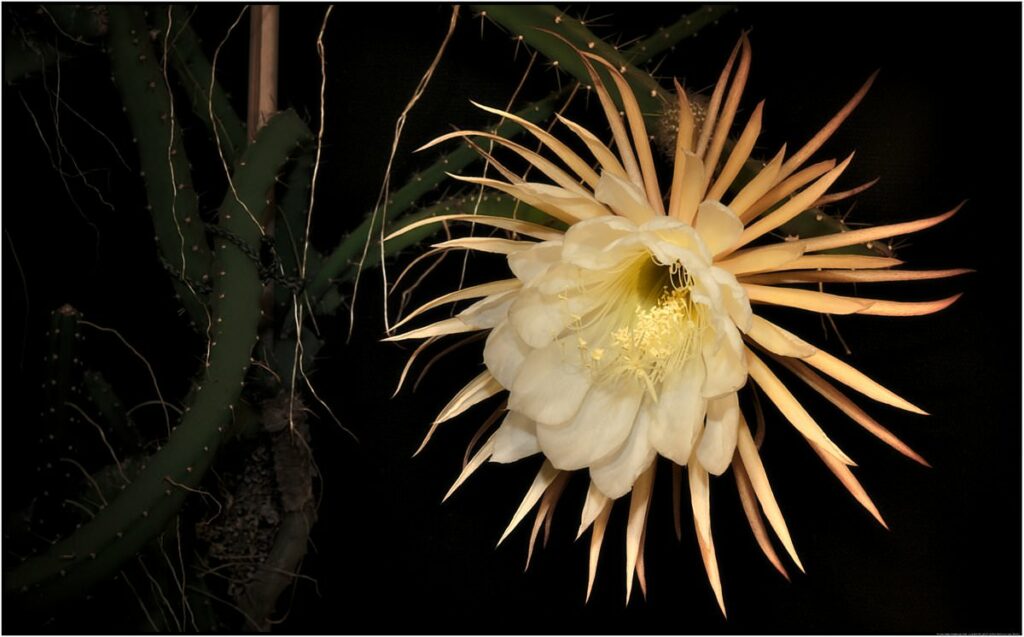
Selenicereus grandiflorus is popularly known by different names, including queen of flowers, giant queen and queen of the night. This cactus occurs in tropical America, including several Caribbean islands. Historical horticultural literature, including William Aiton’s Hortus Kewensis, records its cultivation in European gardens. Its flowers they are very large in size, scented and open only for one night. To learn more about this flower, click here.
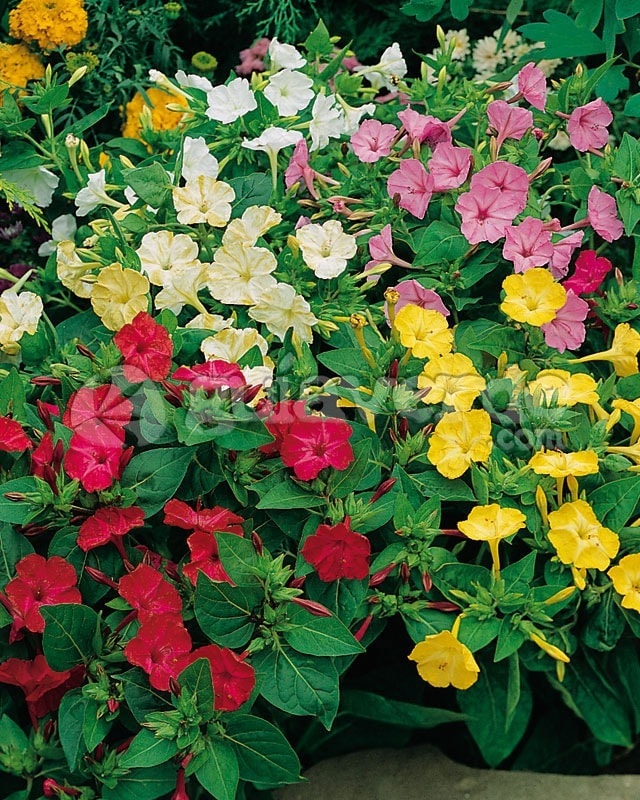
Don Diego of the night
This plant is native to tropical America, its scientific name is Mirabilis jalapa. Their most common names are: jasmine from Mexico, false jalapa, beautiful at night, wonder of Peru, carnation and trumpet. Its flowers begin to open when the sun goes down and may remain open until the following morning, depending on conditions. There are a variety of colors of this flower, and its fragrance is exquisite, especially when the flowers begin to open. Even some flowers can be two or more colors. To learn more about these night flowers, click here.
Baobab flower
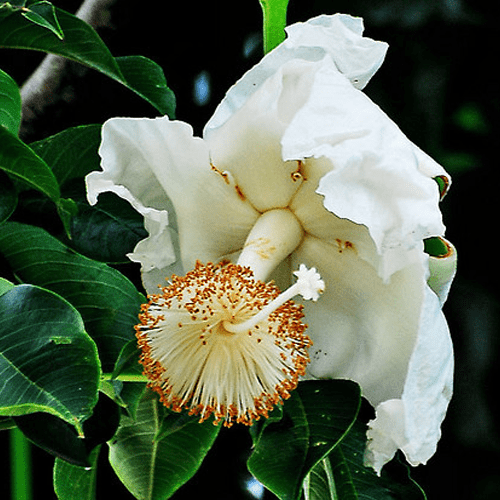
The baobab or Adansonia tree can grow up to 25 meters tall. Some baobabs can live for many centuries and are emblematic trees of Madagascar. Their flowers generally open at dusk once the tree reaches maturity. Its flowers are pollinated by bats and some nocturnal insects, for this reason they release a characteristic scent. The diameter of its white flowers can reach 12cm, they are hermaphrodite and last only 1 day.To learn more about this plant, click here
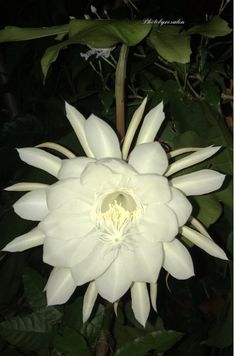
The lady of the night
This flower: The lady of the night, or Epiphyllum oxypetalum, produces flowers that typically open for a single night and has large white flowers that die at dawn. This flower has a rich history in Japan, where it is known as the 月 下 美人 which means Gekka Bijin or “Beauty under the Moon”. In Sri Lanka it is called «Kadupul» කඩුපුල් which means the flower of the sky. It has a very sad and romantic legend. In Epiphyllum oxypetalum, the flowers are white; differently colored blooms belong to other species or hybrids. It is also known as orchid cactus. In El Salvador and Guatemala it is known as a gallant at night. In Colombia it is called the “Flower of dance”. And in Argentina they know her as “Leaf plant”, “Lady at night” and “Queen of the night”. To learn a little more about these exotic night flowers, click here.
The Onagra
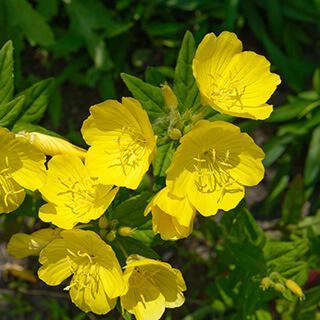
Evening primrose is grown ornamentally, and its seeds are traditionally used to make oil. Many of its claimed therapeutic benefits, however, remain unproven. It is native to North America and blooms from late spring to late summer. These beautiful flowers open at dusk (which is why it is also known as “afternoon spring”) and last until about the following noon. The exquisite evening primrose oil is extracted from its seeds. Evening primrose oil contains mainly linoleic acid and gamma-linolenic acid, both omega-6 fatty acids rather than omega-3. Although marketed for premenstrual and menopausal symptoms, clinical evidence for these benefits is limited, and it should not be presented as a proven treatment for arthritis or circulation problems. If you want to know more about this flower and its properties, click here.
Sambac Jasmine
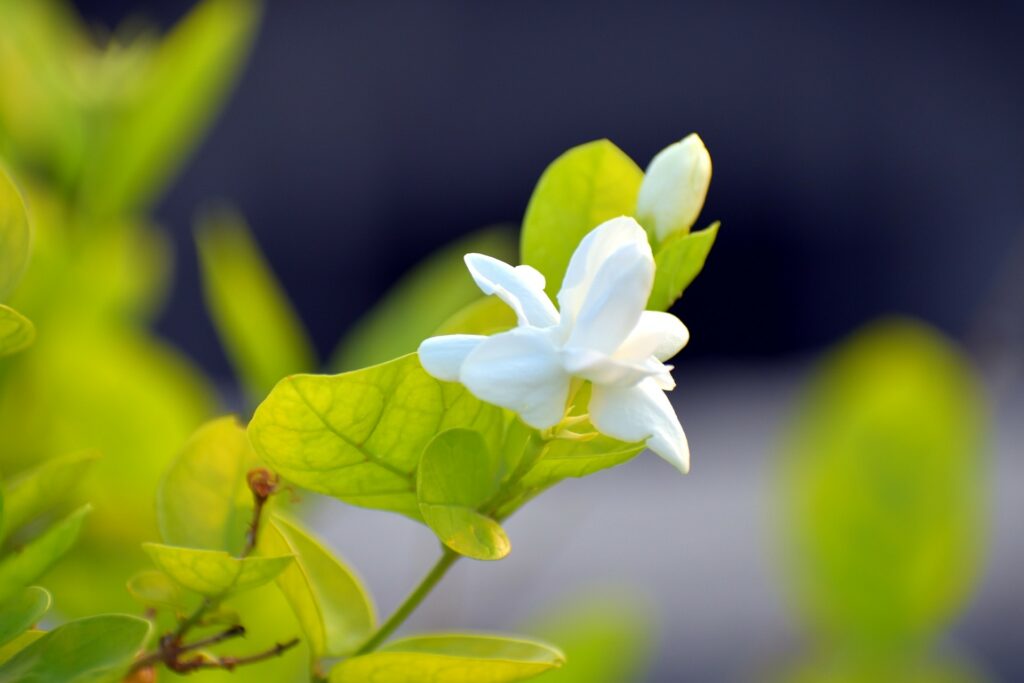
This flower is one of my favorites for its aroma that captivates me. The genus Jasminum includes many species, but not all have intensely fragrant flowers. Arabian jasmine (Jasminum sambac) is valued for its fragrance, often strongest in the evening, but its flowers do not all follow an identical opening schedule. This type of jasmine is one of the most used to make perfumes, it is an icon of the renowned perfume brand Carolina Herrera. It is native to India and South Asia, where it is also used to make an offering to the gods and to make garlands for women’s hair, mainly used at weddings. Jasmine has major cultural significance in South Asia. Pakistan’s national flower is white jasmine, commonly identified as Jasminum officinale, which should not automatically be equated with Jasminum sambac. If you want to know about the care of this plant click here.
Rafflesia Arnoldi
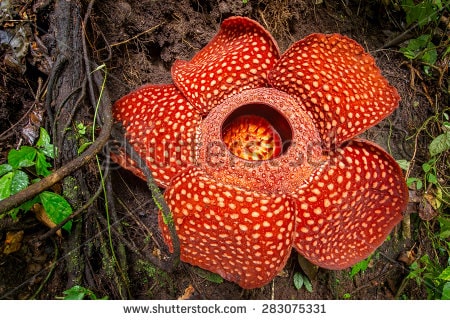
Although it is not a specifically night-blooming flower, Rafflesia grows in the tropical forests of Southeast Asia. These plants do not have leaves, there are no tissues for photosynthesis, they do not have roots or stems of the known types, but they feed on the other plants, it is parasitic. The flower emerges through the tissues of its host vine, with five lobes weighing about 11 kilograms and up to 1 meter in diameter. However, even though it is not a plant to have in our garden, it is included here as a botanical curiosity, not as a proven night-blooming species. Rafflesia is the official flower of the state of Sabah, in Malaysia and the province of Surat Thani, in Thailand. To learn more about this great flower, click here
Nocturnal Phlox
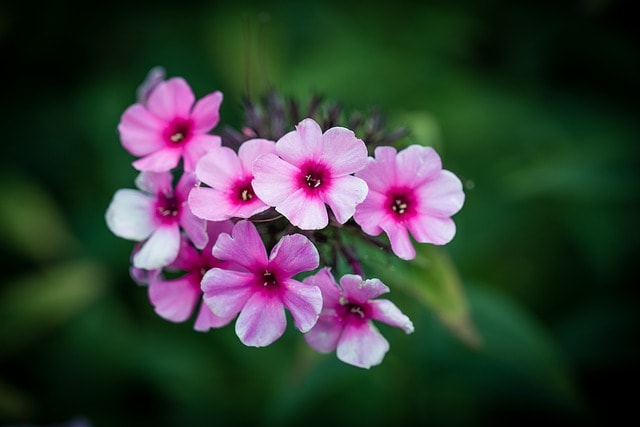
Its scientific name is Zaluzianskya ovata and it is native to South Africa. Its pleasant aroma combines with the aromas of other night plants such as jasmine. Its white flowers have crimson-red backs, open towards evening and release a strong scent. Flowering dates vary with climate and hemisphere. If you want to know more about this night flower plant, follow this link here.
And now the reason why I did the research, do you know what plant they gave me?
The beautiful and romantic Flower of the Dance. I will share photos of its flowers when it blooms.
Which of these plants do you prefer to plant in your garden?
If you liked the article, share it with your friends on social networks and leave me your comments here.
Not every flower here opens only at night
There is a useful distinction between flowers that open after sunset and flowers that stay open but release more fragrance in the evening. Night phlox (Zaluzianskya ovata) unfolds its scented flowers towards evening, while night-blooming jasmine (Cestrum nocturnum) is especially known for its fragrance after dark. We have also included Rafflesia as a botanical curiosity, but it is not an exclusively night-opening flower.
For a scented evening garden, choose a spot near a path or patio, then check the light and drainage requirements of each species. The Royal Horticultural Society has useful profiles for night phlox and night-blooming jasmine.

Share this content: