Nocturnal Phlox: Characteristics, care and reproduction
Hello! We first came across this fragrant little plant in our article about Nocturnal flowers, because its flowers open towards evening: meet night-scented phlox.
Zaluzianskya ovata
Characteristics

The scientific name for nocturnal Phlox is Zaluzianskya ovata. Despite its common name, it does not belong to the genus Phlox: it is classified in the family Scrophulariaceae. This species is native to southern Africa, including South Africa and Lesotho. Its flowers release a strong evening fragrance. The name «Midnight Candy» belongs to a cultivar of the related species Zaluzianskya capensis, not to Z. ovata.
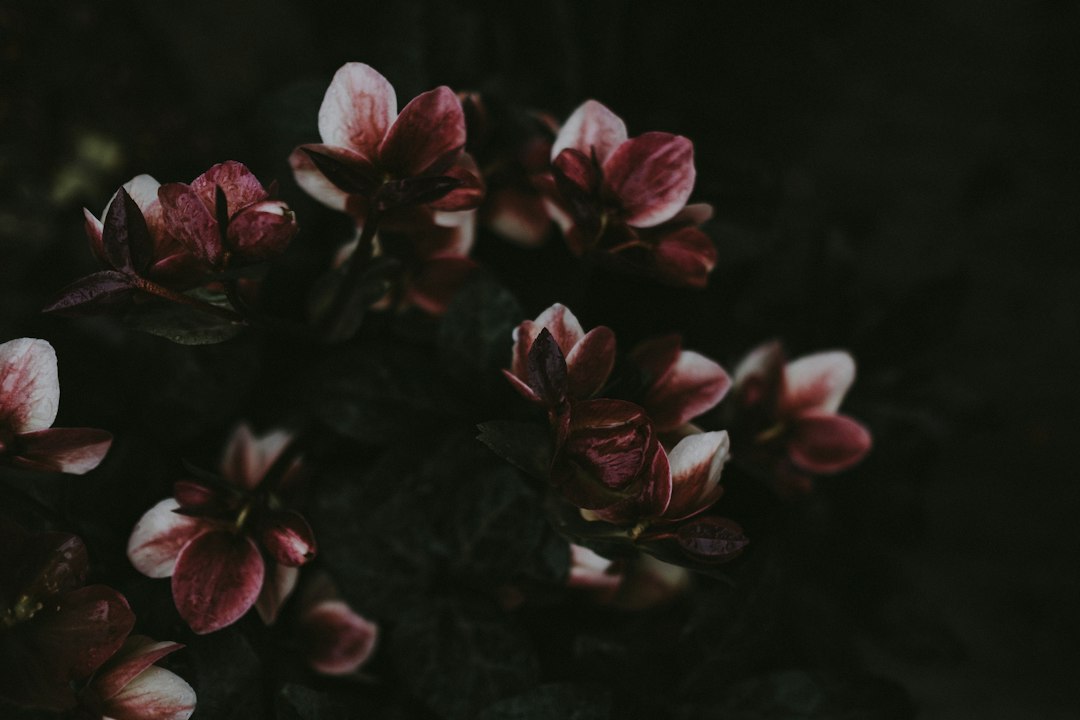
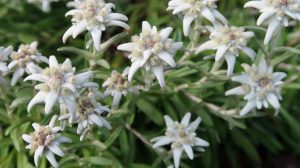
The flowers of Zaluzianskya ovata are usually white on the front with crimson-red petal backs, rather than entirely purple or red. The scent of these beautiful flowers in summer may attract night-flying moths and other pollinators to the garden. This species usually forms compact clumps around 25 cm tall, although size varies with growing conditions. For cultivation, provide full sun and humus-rich, well-drained soil; keep it lightly moist without waterlogging and protect it from severe cold.

Reproduction
The nocturnal Phlox reproduces from its seeds, which can be sown in seed trays in spring, using mild temperatures and a lightly moist, well-drained growing medium. Germination time varies with conditions.

Once the seedlings are established, transplant them to a sunny, well-drained spot and water without saturating the soil. Spent flowers can be removed to keep the plant tidy; avoid heavy pruning during periods of extreme heat.
Pests and diseases

Although generally trouble-free, this plant may occasionally be attacked by various pests, including the red spider, nematodes, snails and slugs. Under poor growing conditions, it may also develop diseases such as: leaf spots, or stem rot if the soil stays waterlogged. Identify the cause before treatment and favour sound growing conditions and proportionate pest management.
If you want to enjoy more images of the night Phlox, visit the following link Pinterest
What do you think of these flowers? Would you grow them in your garden? If you liked share it on your social networks with your friends and leave us your comments here.

Why is it called night phlox?
Hello friends, despite its common name, night phlox (Zaluzianskya ovata) does not belong to the genus Phlox. The nickname refers to the appearance of its flowers and their delightful evening scent. Try growing it near a bright patio where you can enjoy the fragrance after sunset, and avoid waterlogged soil. If you enjoy scented gardens, explore our article about night-blooming flowers. You can also check its botanical classification at Plants of the World Online (Kew).
Share this content: